 how-to
Embed Virtual Tours in Email Marketing: A Guide
Table of Contents
- Why Embed Virtual Tours in Email Marketing
- Understanding Email Client Compatibility for Virtual Tours
- Virtual Tour Email Marketing Best Practices
- How to Generate Embed Code for Your Virtual Tour
- Real Estate Email Marketing Templates for Virtual Tours
- Best Virtual Tour Platforms for Real Estate
- Fallback Strategies When Direct Embedding Isn't Possible
- Measuring ROI and Engagement from Virtual Tour Emails
- Frequently Asked Questions
Last Updated: September 29, 2026
Why Embed Virtual Tours in Email Marketing
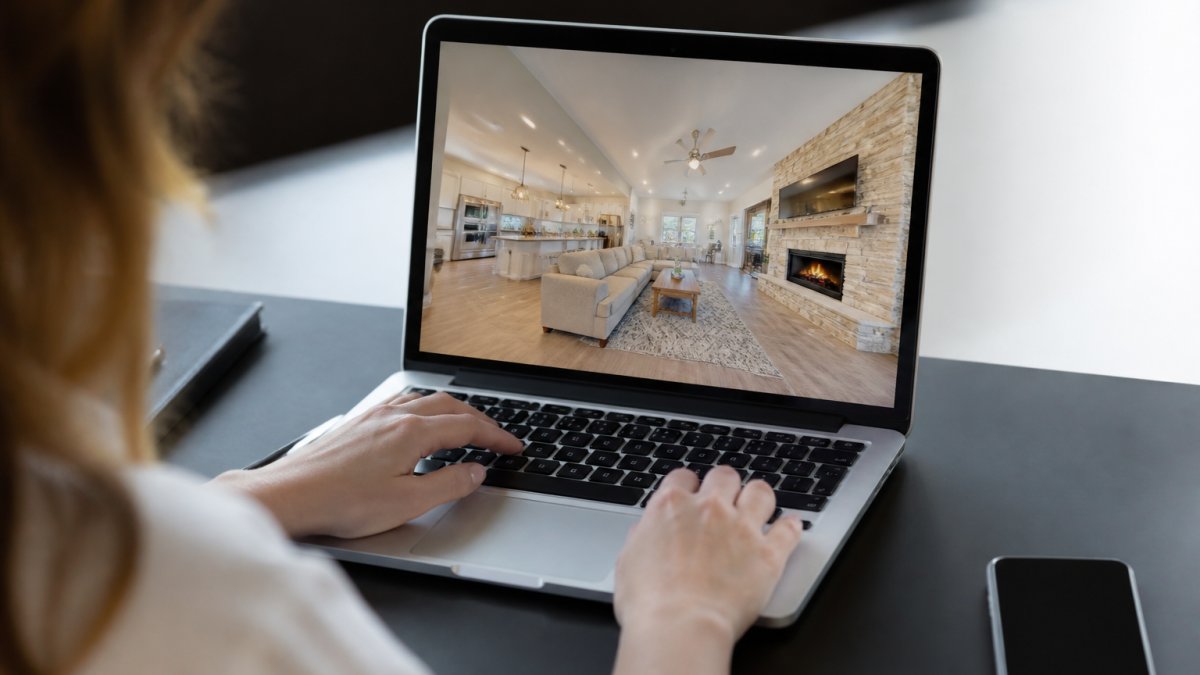
Virtual tours send interactive 360-degree panoramas directly into buyer inboxes, capturing attention and keeping prospects engaged longer than static photos. When buyers explore a home's layout, lighting, and flow before scheduling a showing, they arrive more informed and motivated. Properties with virtual tours in email campaigns see higher click-through rates and more qualified leads.
This guide covers everything you need to embed virtual tours email marketing, from technical requirements to best practices for real estate email marketing templates. You'll learn how to generate embed code, work around compatibility issues, and measure results.
Understanding Email Client Compatibility for Virtual Tours
Most email providers strip out interactive elements for security reasons. Gmail, Outlook, Apple Mail, and others block interactive iframes. Understanding these limitations is essential to choosing the right delivery strategy.
Email Client Compatibility Matrix
Gmail (Desktop & Mobile)
- iframe Support: No
- Animated GIF Support: Yes
- Hyperlinked Images: Yes
- Workaround: Use a high-quality still image with a clickable "View Tour" button that links to a landing page.
Outlook (Desktop & Web)
- iframe Support: No
- Animated GIF Support: Yes
- Hyperlinked Images: Yes
- Workaround: Neither supports iframes. Use clickable images or buttons.
Apple Mail (Desktop & iOS)
- iframe Support: No
- Animated GIF Support: Yes
- Hyperlinked Images: Yes
- Workaround: Apple Mail blocks iframes. Use static images with links.
Yahoo Mail & AOL
- iframe Support: No
- Animated GIF Support: Yes
- Hyperlinked Images: Yes
- Workaround: Both platforms strip iframes. Use image-based approaches with clear call-to-action buttons.
Mobile Email Clients (Apple Mail, Gmail App, Outlook Mobile)
- iframe Support: No (across all major mobile clients)
- Animated GIF Support: Yes
- Hyperlinked Images: Yes
- Workaround: Mobile clients are uniformly restrictive. Design for mobile-first with large, tappable buttons and fast-loading images. Test on actual devices, not just desktop previews.
Web-Based Email Platforms (Mailchimp, ConvertKit, Klaviyo)
- iframe Support: Varies by platform
- Animated GIF Support: Yes
- Hyperlinked Images: Yes
- Workaround: Check your ESP's documentation. Even if your platform supports iframes, the recipient's email client may still block them.
Why Direct Embedding Fails
Email clients treat embedded code as a security risk. Iframes can load external content, track behavior, or execute scripts. Email providers disable iframes to prevent phishing, malware, unauthorized tracking, and performance issues. Even clean embed code from your tour platform will likely be stripped out or fail to load in most inboxes.
The AMP for Email Exception
Google's AMP for Email allows limited interactivity in Gmail and Yahoo Mail, but not full iframe embeds of virtual tours. Some tour platforms offer AMP-compatible formats, though adoption remains low. Check with your platform to see if they support AMP for Email.
Testing Your Compatibility
Before sending, test your email in multiple clients using Litmus or Email on Acid (70+ clients simultaneously). Send test emails to yourself in Gmail, Outlook, and Apple Mail on desktop and mobile. Verify that your tour link works and your fallback image loads correctly. Direct embedding of 360-degree panoramas rarely works across all clients, you need a fallback strategy as your primary approach.
Virtual Tour Email Marketing Best Practices
Successful campaigns combine what email clients allow with what converts prospects into showings. Beyond standard email hygiene, virtual tour campaigns require specific optimization strategies that emphasize the interactive element and build curiosity.
A/B Testing Subject Lines for Virtual Tours
Test subject lines that signal interactivity: "See inside before you visit [Address]," "Explore this home in 360 degrees," or "Tour this home without leaving yours." Curiosity and benefit-focused lines increase open rates by emphasizing convenience and control.
Testing Framework
Test two subject lines against a 10-15% sample of your list. Measure open rates over 24 hours. Track open rate, click-through rate, and unsubscribe rate. Over 4-6 campaigns, identify which patterns drive the highest opens for your audience.
Optimizing Email Copy for Tour Click-Through
Lead with benefits, not features: "Explore the open floor plan, natural lighting, and updated kitchen before scheduling your showing." Use action-oriented language: "Explore the full 360-degree walkthrough" or "See every room from home." Keep copy to 2-3 short paragraphs on mobile. Include a secondary CTA like "Schedule a showing" after the tour link.
Use a Compelling Preview Image
Lead with a high-quality still from your tour (exterior, kitchen, or living room with natural light). Image specs: 600px wide, JPG or PNG, under 100KB, 72 DPI minimum. Link directly to the full tour. Add a play button overlay to signal interactivity.
Keep the Email Mobile-Responsive
Use a single-column layout, large buttons (44px minimum), and CSS media queries for image scaling. Test on actual devices. Mobile-responsive design is critical because friction on mobile kills click-through rates.
Include Clear Navigation
Don't make prospects hunt for the tour link. Place it prominently above the fold. Use contrasting colors for your call-to-action button (e.g., bright blue or green against a white background). Add multiple links if the email is longer: top, middle, and bottom.
Segment Your Audience
Segment your audience by interest, price range, neighborhood, or repeat visits. A buyer interested in 3-bedroom homes doesn't need to see a 5-bedroom listing. Segmentation improves engagement and conversion rates.
Test Before Sending
Test in Litmus or Email on Acid, send test emails to yourself, verify images load, check all links work, and preview on actual mobile devices. Testing takes 10 minutes and prevents embarrassing failures.
How to Generate Embed Code for Your Virtual Tour
Most virtual tour platforms provide embed code automatically. The process varies slightly by platform, but the basic steps are consistent.
Step 1: Access your tour in the platform dashboard. Log into wherever your virtual tour was created. Find the specific property tour you want to embed.
Step 2: Look for an embed or share option. This button is usually labeled "Embed," "Share," "Get Code," or "Export." Click it.
Step 3: Copy the generated code. The platform generates HTML code that looks something like this:
<iframe src="https://tour-platform.com/tour/property-123" width="100%" height="600"></iframe> **Step 4: Decide on your email strategy.** Here's where you make a choice. You can:- Paste the code directly into your email editor (works in some platforms, fails in others)
- Use the code on a landing page and link to it from email instead
- Create a clickable image in email that links to the full tour
Step 5: Test the implementation. Send a test email to yourself and colleagues. Open it in Gmail, Outlook, and Apple Mail. Check mobile too. Does the tour load? Does the link work? This step prevents embarrassing failures.
Most real estate professionals skip direct embedding and instead create a landing page with the full tour, then embed virtual tours email by linking to it from email. This approach works reliably across all email clients and gives you analytics data on who clicked through.
Real Estate Email Marketing Templates for Virtual Tours
Template 1: The Feature Highlight, Open with a striking image, add 2-3 sentences on key features, include a prominent "Explore the Full Tour" button linked to your landing page, and add a secondary "Schedule a showing" CTA.
Template 2: The Multi-Property Digest, Send a weekly digest of 3-4 properties with thumbnail images, addresses, prices, and "View Tour" buttons. Customize which properties go to which buyer segments.
Template 3: The Open House Announcement, Announce an open house with a virtual tour link. Prospects can explore before deciding whether to attend.
Template 4: The Follow-Up Sequence, Create an automated drip campaign triggered when someone views a tour.
Best Virtual Tour Platforms for Real Estate
Choosing the right platform affects your entire workflow. Look for platforms that generate clean embed code, offer mobile-responsive tours, and provide analytics tracking.
Key features to evaluate:
- Ease of use: Can you generate tours quickly without technical expertise?
- Mobile experience: Do tours load fast and display properly on phones?
- Embed code quality: Does the platform provide reliable, clean code?
- Analytics: Can you track how many people viewed the tour and for how long?
- Compatibility: Does the platform work with your email service provider?
Fallback Strategies When Direct Embedding Isn't Possible
Since most email clients block interactive content, you need backup plans.
Strategy 1: Animated GIFs
Strategy 2: Hyperlinked Images
Strategy 3: Text-Based Call-to-Action
Strategy 4: Unbranded Landing Page
Measuring ROI and Engagement from Virtual Tour Emails
Track what matters: opens, clicks, and conversions.
Email open rates: Compare open rates for emails featuring virtual tours against your standard listing emails. Tours typically outperform static photos.
Frequently Asked Questions
Can you embed a 360 virtual tour directly into an email?
Direct embedding of interactive 360-degree panorama tours in email is limited by most email clients. Most major providers (Gmail, Outlook, Apple Mail) do not support AMP for email or interactive HTML5 content. Instead, use a clickable preview image with a hyperlink to your tour landing page, or send a GIF preview that links to the full interactive experience. This approach maintains high click-through rates while ensuring compatibility across all email clients.
What is the best way to share a virtual tour link in email marketing?
Use a prominent call-to-action button or linked preview image that directs subscribers to your tour landing page. Include descriptive anchor text like 'View the Full 360 Tour' or 'Explore This Property.' Optimize your email signature with a hyperlink to featured listings. Test subject lines that mention the tour to improve open rates. Mobile-responsive design is critical, ensure the linked preview displays clearly on smartphones, as most subscribers open real estate emails on mobile devices.
How do I use virtual tours for real estate lead generation?
Embed virtual tours in automated drip campaigns triggered by property views or email opens. Direct subscribers to a landing page where they must provide contact information to access the full interactive tour. Use subscriber segmentation to send tours to qualified prospects based on property type or price range. Track which tours generate the most engagement and follow up with targeted offers. Pair tours with lead nurturing sequences that guide prospects toward scheduling showings or requesting more information.
Do virtual tours increase click-through rates in email marketing?
Yes. Emails featuring interactive or preview content typically see higher engagement than text-only messages. A preview image or GIF of a virtual tour serves as a visual storytelling element that captures attention in crowded inboxes. Including a clear call-to-action linked to the full tour encourages clicks. However, success depends on email client compatibility, mobile responsiveness, and relevance to your audience. A/B testing subject lines that mention the tour can further boost open rates and overall campaign ROI.