 how-to
Virtual Tours for Out-of-State Buyers: A How-To Guide
Table of Contents
- Why Virtual Tours Matter for Out-of-State Buyers
- Real Estate Virtual Tour Best Practices
- How to Host a Virtual Property Showing
- Virtual Tour Engagement Statistics and Buyer Psychology
- Overcoming Geographic Barriers with 360-Degree Immersive Experience
- Reducing Time-on-Market Through Virtual Tour Strategy
- Integration with CRM and Lead Follow-Up
- Common Mistakes to Avoid
- Frequently Asked Questions
Last Updated: October 1, 2026
Why Virtual Tours Matter for Out-of-State Buyers
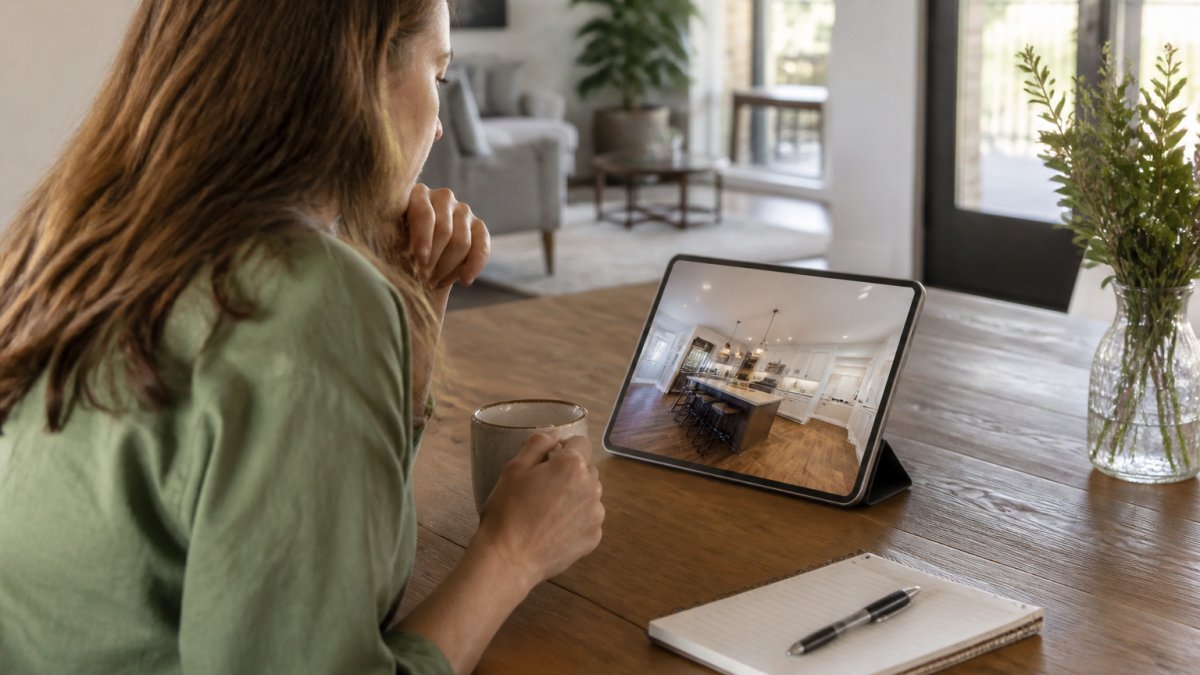
Virtual tours out-of-state buyers rely on have become essential in real estate marketing. They eliminate geographic barriers and allow potential buyers to explore properties from anywhere. Out-of-town buyers can't visit in person, so immersive digital walkthroughs replace site visits.
The shift is simple: buyers expect to see properties online before committing time and money to travel. A 360-degree immersive experience lets them evaluate layout, condition, and features without stepping foot in the home. This changes everything about how you market.
Static images don't cut it anymore. A buyer scrolling through photos gets limited context. A virtual tour shows the entire property flow, lighting quality, and spatial relationships. That's the difference between a curious inquiry and a serious buyer request.
At Desert Home Photography, we've helped agents across the Phoenix Valley understand this shift. Remote walkthroughs aren't a luxury feature anymore. They're a competitive necessity.
Real Estate Virtual Tour Best Practices
The foundation of any successful virtual tour starts with preparation and execution. You need proper equipment, good lighting, and a clear plan before you hit record.
Technical Setup for Agents
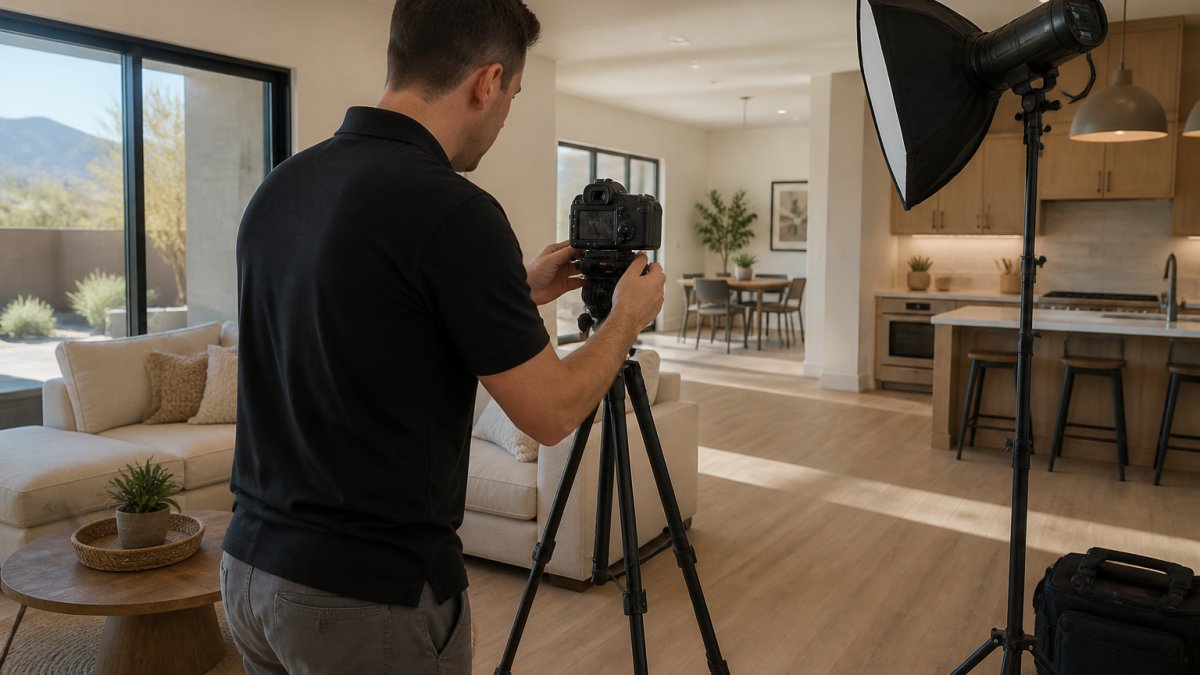
Your technical foundation determines tour quality. Start with a camera capable of capturing high-definition imagery. Most agents use either a dedicated 360-degree camera or a standard camera paired with specialized software. The choice depends on your budget and the properties you shoot.
Next, choose your hosting platform. Many real estate platforms, like MLS systems and property listing sites, have built-in virtual tour support. Others require you to embed tours from a third-party provider. Know your workflow before you start shooting. This saves time during post-production.
Test your internet connection before scheduling shoots. A weak connection during upload means delays in getting your tour live. Strong upload speeds matter when you're working on multiple properties per week.
Equipment and Lighting Essentials
Lighting makes or breaks a virtual tour. Poor lighting creates dark, uninviting spaces. Good lighting reveals property features and creates emotional appeal.
Here's what you need:
- High-definition camera or 360-degree camera (depending on your setup choice)
- Stable tripod or mounting system (movement in tours creates viewer discomfort)
- External lighting kit for interior spaces (particularly important in Valley homes with strong shadows)
- Backup batteries and memory cards (always have extras)
- Smartphone or tablet for monitoring tour flow during shooting
Interior lighting is critical in Arizona homes. The Valley's intense sunlight creates harsh shadows and blown-out windows. Use supplemental lighting to balance natural light. This is where hand-blended imaging techniques make the biggest difference.
Test your lighting setup in each room before starting. Walk through the property and identify problem areas. Adjust your lighting rig accordingly. A few minutes of prep prevents an entire reshoot later.
How to Host a Virtual Property Showing
Hosting a virtual property showing requires planning, promotion, and proper lead capture. Treat it like a traditional open house, but adapted for remote attendees.
Scheduling and Promoting Your Virtual Open House
Choose a time that works for your target market. If you're attracting out-of-state buyers, consider time zones. Morning slots often work well for East Coast buyers. Evening slots work better for West Coast audiences.
Promote your virtual open house at least one week in advance. Use multiple channels:
- Your personal website and social media
- Real estate listing platforms
- Email to past clients and agent contacts
- Local real estate groups and forums
- Paid advertising on social platforms
Create a simple landing page with the tour link, property details, and an easy way for buyers to register or ask questions. This captures lead information before the showing even starts.
Send reminders 48 hours before and again 2 hours before the event. People forget. Reminders drive attendance.
Capturing Lead Information During Virtual Tours
Your virtual tour platform should include lead capture functionality. At minimum, you need a form that collects name, email, and phone number before or after the tour.
Some platforms allow you to require registration before accessing the tour. Others let visitors browse freely and capture info through a follow-up prompt. Test both approaches, some properties convert better with open access, others with gated access.
During a live virtual showing, monitor the chat or Q&A feature. Answer questions in real time. This builds rapport and identifies serious buyers. Take notes on who asks detailed questions versus casual browsers. Follow up with serious inquiries within 24 hours.
After the tour, send an automated email thanking viewers and offering next steps. Include a link to schedule an in-person showing or request more information. This keeps momentum going.
Virtual Tour Engagement Statistics and Buyer Psychology
Buyer psychology drives virtual tour success. Understanding what motivates remote buyers helps you create tours that convert.
Out-of-state buyers face uncertainty. They can't visit the property in person. They worry about misrepresentation or hidden problems. A comprehensive virtual tour reduces that anxiety. It shows transparency and builds confidence.
Buyers using virtual tours are typically pre-qualified. They've already decided to consider your market. They're not just browsing, they're seriously evaluating. This means your virtual tour viewers are high-intent prospects.
The psychology of immersive experience matters. When a buyer can explore a property at their own pace, they feel in control. They can revisit rooms, examine details, and form opinions independently. This sense of control increases engagement compared to static photos or video walkthroughs they can't control.
Sight-unseen purchases are increasingly common. Buyers who start with a strong virtual tour are more likely to make offers without an in-person visit. This is especially true for properties in strong markets or for buyers relocating from out of state.
Overcoming Geographic Barriers with 360-Degree Immersive Experience
Geographic barriers disappear when you offer true immersive experience. A 360-degree view lets buyers explore every angle without leaving their home.
The key is comprehensive coverage. Show every room, every closet, and every outdoor space. Don't skip the less glamorous areas. Buyers want the full picture. A complete tour builds trust. Selective tours raise red flags.
Exterior coverage matters too. Use drone photography to show the property's relationship to the neighborhood. Show the driveway, yard, pool, and surrounding area. Out-of-state buyers can't drive the neighborhood themselves. Aerial views provide that context.
Interactive floor plans enhance the immersive experience. Let buyers see how rooms connect. Show square footage and room dimensions. This helps remote buyers visualize the property layout in ways photos can't.
Mobile optimization is essential. Most out-of-state buyers will view your tour on their phone or tablet. Ensure your virtual tour platform works smoothly on mobile devices. Slow load times and clunky interfaces kill engagement.
Reducing Time-on-Market Through Virtual Tour Strategy
Time-on-market is the enemy of profits. Longer listings mean more carrying costs and lower final sale prices. Virtual tours reduce time-on-market by attracting more qualified buyers faster.
Properties with virtual tours generate more inquiries. More inquiries mean more showings. More showings mean faster offers. The math is straightforward.
Virtual tours out-of-state buyers use also attract prospects you'd never reach otherwise. These buyers expand your potential buyer pool. A larger pool means faster sales.
Quick response to inquiries amplifies this effect. When a buyer completes your virtual tour and has questions, answer within hours. This responsiveness converts browsers into buyers.
Integration with CRM and Lead Follow-Up
Your virtual tour data should feed directly into your CRM system. This integration ensures no leads slip through the cracks.
Common Mistakes to Avoid
Most agents make predictable mistakes with virtual tours. Avoiding these errors dramatically improves results.
| Strategy | Best For | Key Benefit |
|---|---|---|
| 360-degree virtual tours | All property types | Comprehensive buyer exploration |
| Drone exterior coverage | Luxury and larger properties | Neighborhood context and scale |
| Interactive floor plans | Buyers comparing multiple properties | Clear layout visualization |
| Live virtual open house | High-demand properties | Real-time buyer engagement |
| Mobile-optimized tours | Out-of-state buyers | Accessibility and convenience |
National Association of Realtors market research
Real estate technology trends analysis
Virtual tour adoption in residential real estate
Frequently Asked Questions
How do virtual tours help sell homes to out-of-state buyers?
Virtual tours eliminate geographic barriers by allowing remote buyers to explore a property in detail from anywhere. Out-of-state buyers can view the layout, assess room sizes, and evaluate natural light without traveling. This immersive experience builds buyer confidence in sight-unseen transactions, reduces the need for multiple in-person showings, and expands your market reach beyond local competition. Properties with virtual tours typically see higher engagement rates and shorter time-on-market.
What equipment do I need to create professional virtual tours?
Professional virtual tour creation requires a 360-degree camera or DSLR with wide-angle lens, a sturdy tripod, adequate lighting (natural or professional lights to handle interior shadows), and virtual tour software. For high-end properties, consider hiring professionals with FAA-licensed drone operators for aerial shots. Mobile optimization is critical since most remote buyers browse on smartphones. The investment in professional-grade equipment ensures high-definition imagery that builds buyer confidence and showcases property features effectively.
How can I make my virtual tours more engaging for remote buyers?
Create interactive floor plans that let buyers navigate at their own pace rather than following a fixed path. Include high-definition imagery with proper exposure to highlight natural light and room dimensions. Add descriptive information about key features, square footage, and property amenities at each stop. Optimize for mobile viewing since most remote buyers use smartphones. Use virtual staging in darker areas to help buyers visualize potential. Include both wide shots for spatial context and close-ups of unique features like finishes and fixtures.
What's the typical timeline from shoot to delivery for virtual tours?
The timeline for professional virtual tour creation depends on property size, complexity, lighting conditions, and the level of post-processing needed. Discuss delivery timelines upfront with your service provider to ensure listings go live quickly when you need them.