 how-to
Order Virtual Tours for Listings: A 2026 Guide
Table of Contents
- Why Virtual Tours for Listings Outperform Static Photos
- Real Estate Virtual Tour Cost: DIY vs. Professional Services
- How to Prepare a Home for a Virtual Tour
- How to Order Virtual Tours for Listings: Step by Step
- Integrating Virtual Tours with MLS and Property Portals
- Mobile Optimization, Accessibility, and Legal Considerations
- Choosing the Right Virtual Tour Provider
- Conclusion
Last Updated: August 18, 2026
Why Virtual Tours for Listings Outperform Static Photos
Virtual tours have shifted from a nice-to-have to a genuine competitive advantage in real estate marketing. According to National Association of Realtors' research on home buyer technology use, buyers who view virtual tours spend significantly more time engaging with a listing than those who only see static photos. At Desert Home Photography, listings with immersive 3D walkthroughs generate more inquiries before the first open house than those relying on photography alone.
Static photos show a room. A virtual tour shows a home. Buyers can move through the space at their own pace, understand how rooms connect, and mentally place their furniture in the layout. For agents carrying 15 to 20 listings a month, the practical upside is real: fewer unqualified showings, buyers who arrive emotionally invested, and listings that stand out in crowded MLS feeds.
Types of Virtual Tours: 360-Degree Panorama, 3D Walkthrough, and Video
Three formats dominate the market.
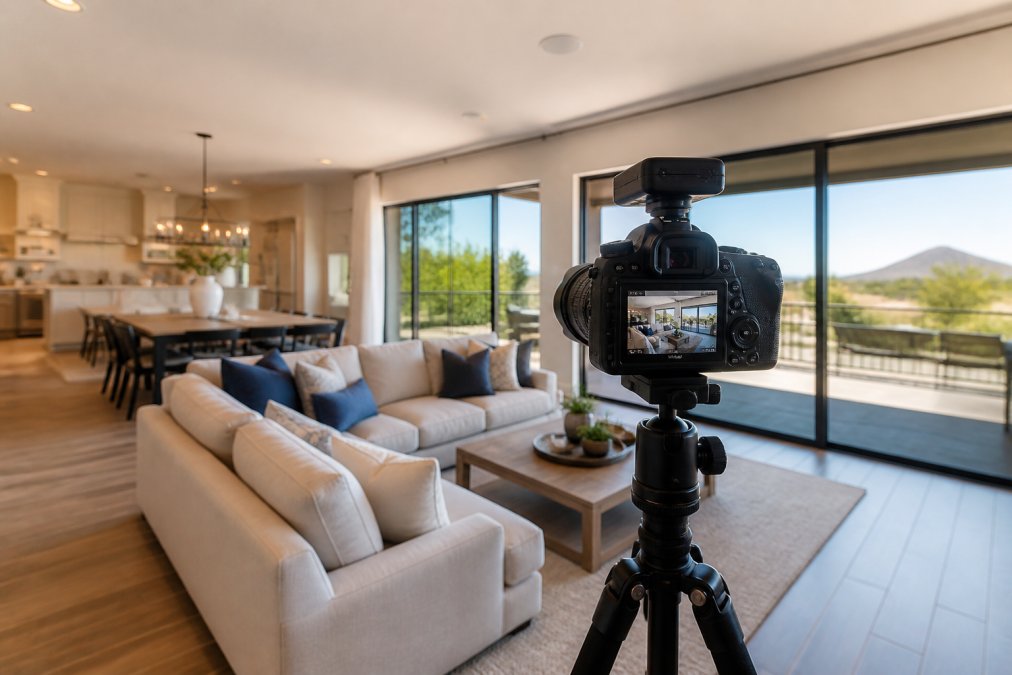
360-degree panorama tours stitch together high-resolution imagery from fixed positions throughout the home. Buyers click between rooms using embedded hotspots. These are the most widely supported format across MLS platforms and load quickly on mobile devices.
3D walkthrough tours create a full digital twin of the property using spatial data and automated capture. Buyers move through the space continuously rather than jumping between fixed positions. This format delivers the most immersive experience and performs best for luxury properties where spatial scale is a selling point.
Walkthrough video tours are professionally filmed and edited guides through the property. Video works well for social media distribution and passive viewing, but buyers cannot explore at their own pace.
For most listings, a 360-degree panorama or 3D walkthrough will deliver the strongest return.
Real Estate Virtual Tour Cost: DIY vs. Professional Services
The virtual tour cost calculation extends beyond upfront equipment prices to include your time, output quality, and the cost of poor listing performance.
The DIY route requires a 360-degree camera, tripod, calibration equipment, stitching software, and cloud hosting. Entry-level cameras are affordable, but the gap between entry-level and professional-grade imagery is immediately visible. Poorly lit rooms, distorted geometry, and low-resolution panoramas signal minimal investment to buyers.
Professional services eliminate that risk. A qualified photographer handles equipment, lighting, spatial capture, stitching, and delivery of a polished, mobile-responsive tour ready to embed.
| Approach | Upfront Cost | Time per Listing | Output Quality | MLS Compatibility |
|---|---|---|---|---|
| DIY (entry-level camera) | Equipment purchase required | 3-5 hours per property | Variable | Depends on platform choice |
| DIY (professional camera) | Higher equipment investment | 2-4 hours per property | Good to very good | Usually compatible |
| Professional service | Per-listing fee | 1-2 hours on site | Consistent, high | Typically handled for you |
For high-volume practices, the per-listing professional fee is often lower than the hidden cost of DIY: equipment depreciation, software subscriptions, editing time, and occasional reshoots.
How to Prepare a Home for a Virtual Tour
Preparation determines success before the camera arrives. Unlike still photos, a 360-degree panorama captures the entire room. Every surface and every misplaced item appears in the final tour.
Work through this checklist before the shoot:
- Declutter every surface. Countertops, nightstands, bathroom vanities, and shelving should be clear or styled intentionally.
- Remove personal items. Family photos, personal documents, and pet accessories should be stored out of sight.
- Clean all glass surfaces. Windows, mirrors, and shower doors reflect in panoramic captures. Streaks and smudges are visible in the final output.
- Stage furniture deliberately. Furniture should define the function of each space. Remove extra pieces that crowd the room.
- Address lighting in every room. Turn on all overhead lights and lamps. Open blinds to allow natural light, but avoid direct sunlight that creates harsh exposure differences.
- Hide cords and cables. Power strips, phone chargers, and TV cables distract from the space.
- Check the exterior. Move vehicles, hoses, and bins out of frame.
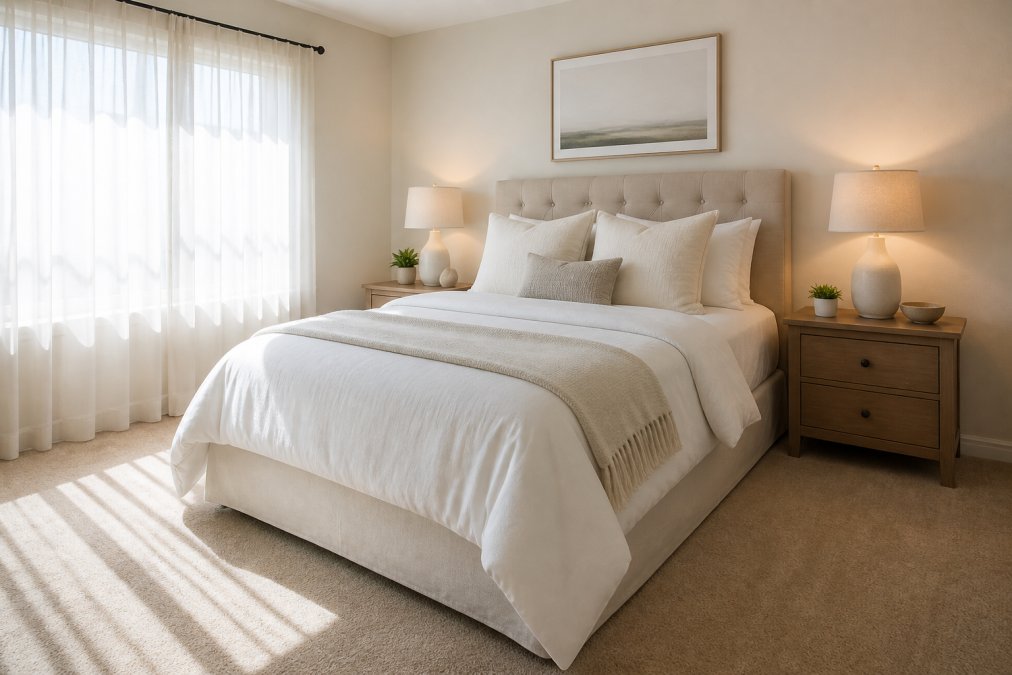
Bathrooms require special attention. They are small, highly reflective, and used constantly until shoot day. A toilet lid left up, soap on the sink edge, or a shower caddy full of bottles will appear in every frame.
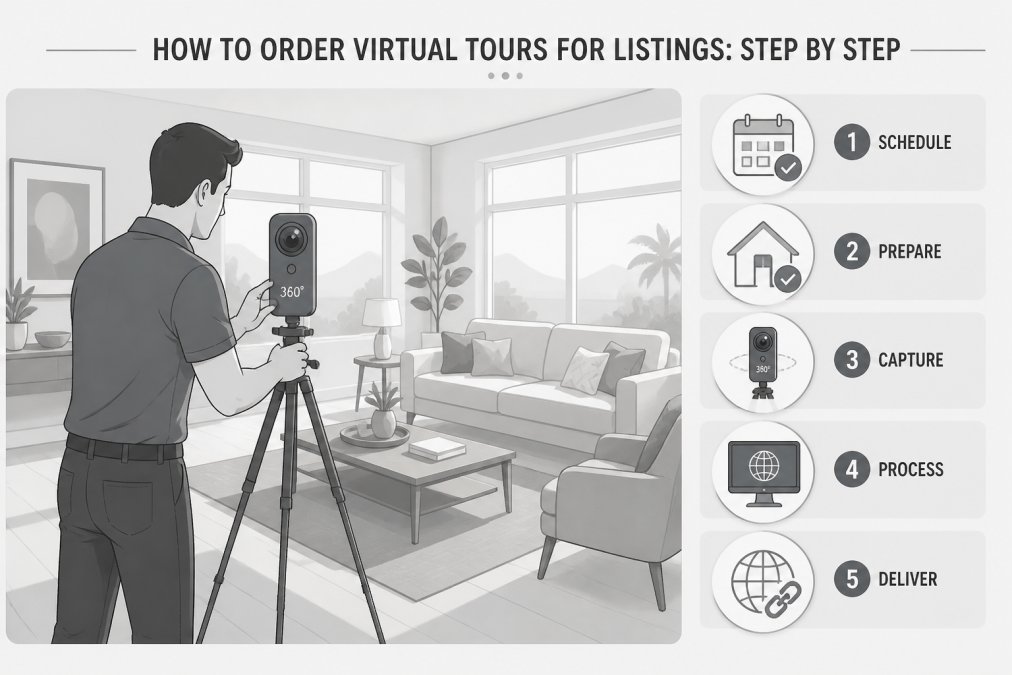
How to Order Virtual Tours for Listings: Step by Step
Ordering virtual tours is straightforward when you know what to expect.
Step 1: Contact your provider and describe the property. Share the address, square footage, number of rooms, and any specific areas to include or exclude.
Step 2: Confirm the format and deliverables. Decide whether you need a 360-degree panorama, 3D walkthrough, or both. Confirm MLS compatibility and whether the provider delivers an embed code.
Step 3: Schedule the shoot. Book a time when the property is fully staged and vacant. Mid-morning typically offers the best natural light.
Step 4: Prepare the property. Use the preparation checklist above. Coordinate with the seller to ensure readiness before the photographer arrives.
Step 5: The shoot takes place. The photographer captures spatial data and panoramas. A typical residential property takes one to two hours on site.
Step 6: Receive and review deliverables. The provider delivers the hosted tour link, embed code, and additional files. Review on both desktop and mobile before publishing.
Step 7: Embed and publish. Add the tour link to your MLS listing, property portals, and marketing materials.
What to Expect on Shoot Day
The photographer moves methodically through the property, setting up the camera at multiple positions in each room. Expect lighting and window treatment adjustments between positions. A standard three-bedroom home typically takes 60 to 90 minutes on site. Your job is to stay out of the frame. Reflective surfaces can pick up movement, so the property should be vacant during capture.
Turnaround Time and File Delivery
Most professional providers deliver completed virtual tours within 24 to 48 hours of the shoot. Deliverables typically include a hosted tour URL, embed code for your website or MLS submission, and a shareable link for social media and email marketing. Confirm delivery format before booking, as some MLS systems require specific file types.
Integrating Virtual Tours with MLS and Property Portals
The most reliable approach is to use a provider whose hosting platform generates a direct URL and clean embed code. Most major MLS systems accept a virtual tour URL in a dedicated field within the listing record. Paste the hosted tour link into that field during listing input. Buyers viewing the listing through any portal synced with your MLS will see a virtual tour button attached to the property.
According to Bright MLS technology guidelines for virtual tour submission, the virtual tour URL field is a standard component of the listing data schema, though the specific field name varies by MLS system.
Technical Requirements and MLS Compatibility
Verify these requirements before ordering:
- Hosted URL required. The tour must live on a cloud-based platform and be accessible via a public URL.
- No autoplay audio or video. Many MLS systems block tours that launch audio or video automatically.
- Mobile-responsive player. The tour interface must function correctly on smartphones and tablets.
- HTTPS required. The tour URL must be served over HTTPS.
- No third-party login required. Buyers must view the tour without creating an account.
Mobile Optimization, Accessibility, and Legal Considerations
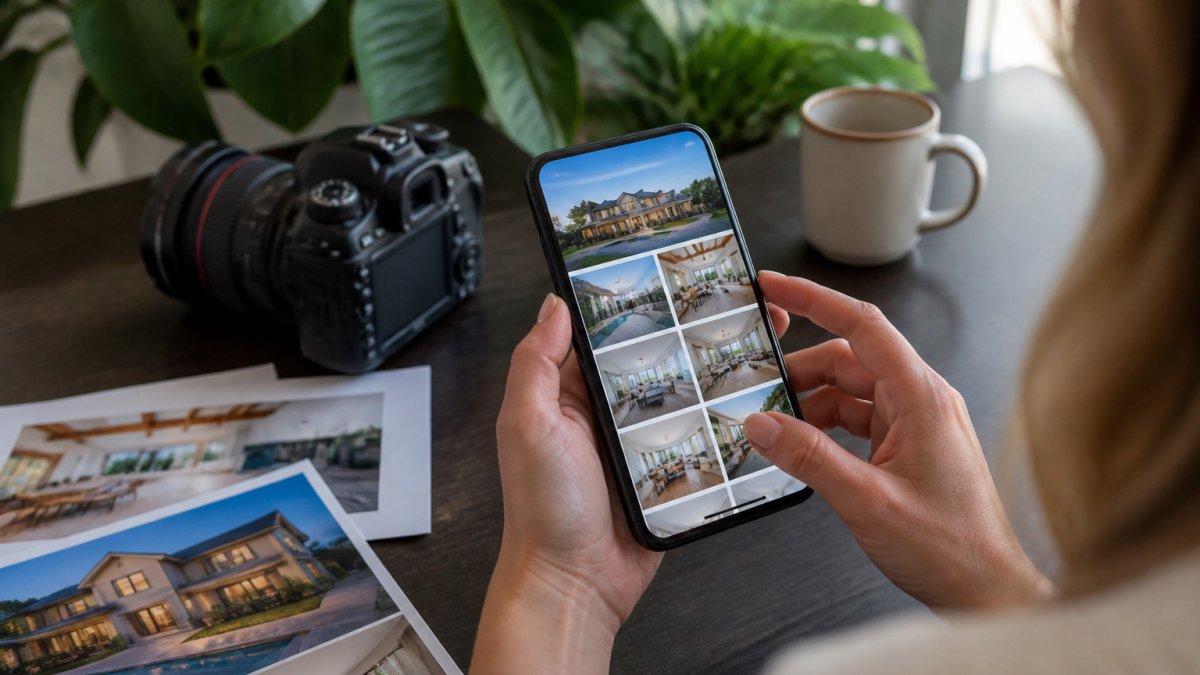
Mobile optimization is essential. A large share of home buyers browse listings on phones, and a tour that performs poorly on a small screen will be abandoned quickly. Test sample tours on a mobile device before committing. The player should load within seconds, respond smoothly to touch gestures, and display navigation controls clearly.
Accessibility is increasingly important. The Web Content Accessibility Guidelines from W3C provide a framework for ensuring digital content is usable by people with visual or motor impairments. For virtual tours, this means ensuring keyboard navigation is functional and alternative descriptions are available. Not every platform meets these standards.
Legal and privacy considerations deserve attention before every shoot:
- Neighbor properties. If the tour captures exterior views that include neighboring homes or individuals, review your provider's approach to handling identifiable information.
- Tenant-occupied properties. Photographing a tenant-occupied property requires written consent.
- Fair Housing compliance. Virtual tours must not be used selectively in ways that could constitute steering. The U.S. Department of Housing and Urban Development Fair Housing guidelines provide clear guidance on digital marketing obligations.
- Data retention. Understand the provider's data retention policy for spatial data and point clouds.
Choosing the Right Virtual Tour Provider
The right provider depends on output quality, reliability, and understanding of how real estate listings work.
Request sample tours from any provider you evaluate and view them on both desktop and mobile. Look for sharp, high-resolution imagery, accurate color rendering, smooth transitions, and clean interactive floor plans. A provider who struggles with interior lighting will cost you more in reshoots than they save in upfront pricing.
Reliability matters at listing speed. Ask specifically about average delivery windows and whether rush options are available.
Industry-specific experience is critical. A provider who shoots commercial spaces may produce technically competent work that still misses residential nuances: how to handle a dark master suite, how to make a compact kitchen feel open, how to capture outdoor entertaining areas.
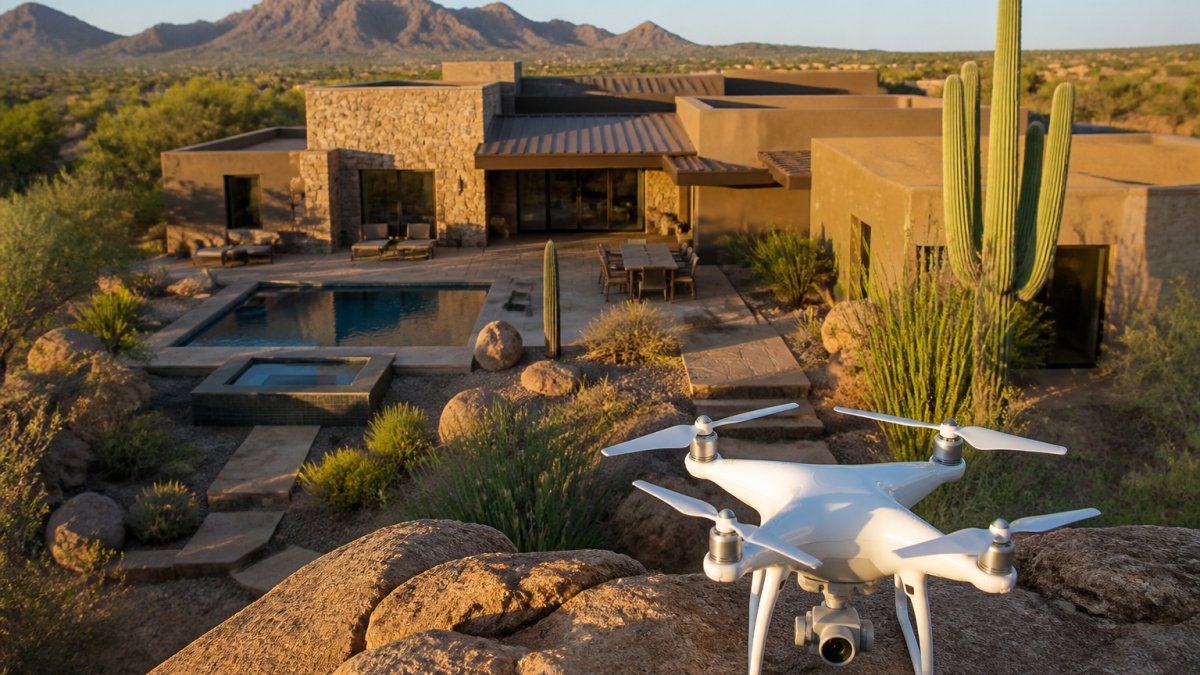
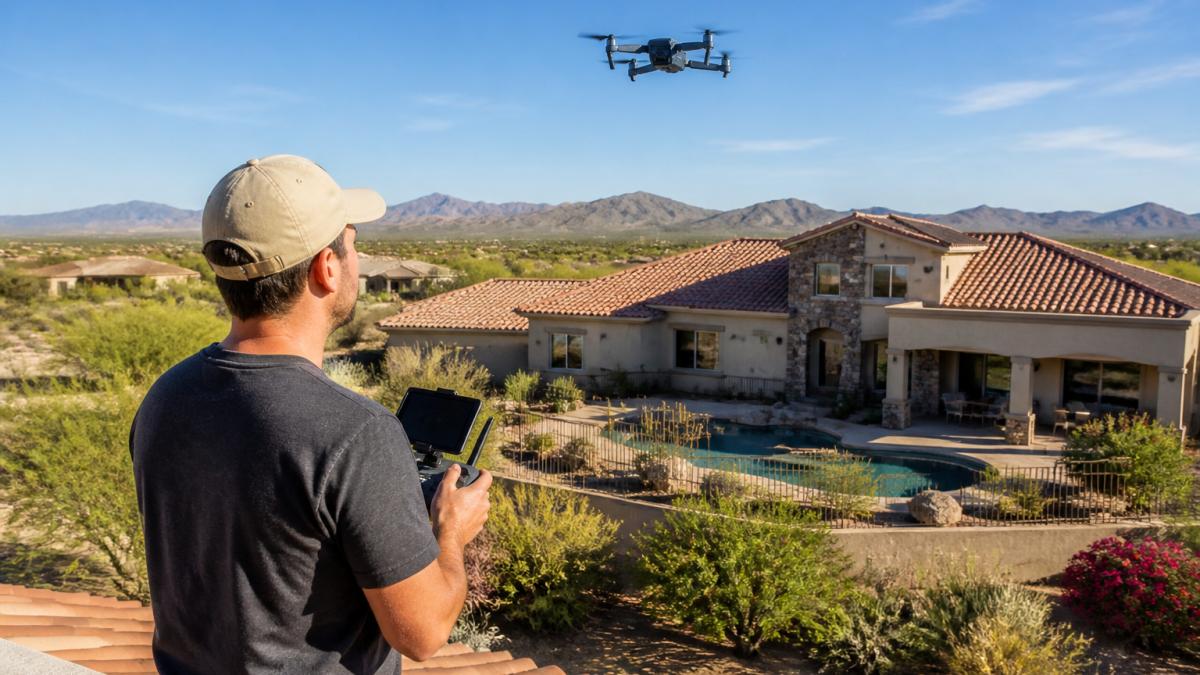
Desert Home Photography specializes in real estate and architectural photography, offering immersive virtual walk-through tours alongside FAA-licensed drone photography. Every shoot is handled by photographers who understand how buyers experience a home digitally, and the hand-blended imaging process ensures interior lighting challenges are resolved in post-production.
Listing media sets the tone for every buyer's first impression. When that first impression is an immersive, mobile-responsive virtual tour that lets buyers explore the space before scheduling a showing, the listing starts from a position of strength. Desert Home Photography provides virtual walk-through tours, hand-blended photography, and FAA-licensed drone coverage designed specifically for real estate marketing. Call or text to discuss your next listing and find out how quickly we can turn around the media you need.
Frequently Asked Questions
How do I order a virtual tour for a real estate listing?
Contact a professional real estate photography provider, confirm they offer 3D walkthrough or 360-degree panorama services, and schedule a shoot date. Before the appointment, stage and declutter the home. After the shoot, you'll receive an embed code or hosted link to add to your MLS listing and marketing channels. Providers like Desert Home Photography handle the capture, stitching software, and cloud-based hosting so you receive a ready-to-publish file.
What is the typical turnaround time for a professional virtual tour?
Most professional providers deliver completed virtual tours within 24 to 48 hours of the shoot. Turnaround time depends on the property's square footage, the number of rooms captured, and the provider's editing workload. If you're listing quickly, ask about rush delivery options when you book. Confirming the expected delivery window upfront prevents delays between shoot day and your live listing date.
How do I integrate a virtual tour into my MLS listing?
Most MLS platforms accept a virtual tour URL in a dedicated field during listing entry. Your photographer or hosting platform provides a direct link or embed code after delivery. Paste the URL into the virtual tour or media field in your MLS input form. Some platforms require the link to point to a mobile-responsive, cloud-based hosted page. Confirm your local MLS's technical requirements before booking so your provider delivers a compatible file format.
Do virtual tours increase the sale price of a home?
Listings with immersive virtual tours consistently attract more views and longer time-on-page than photo-only listings, which increases buyer interest and can support stronger offers. While final sale price depends on market conditions and pricing strategy, higher listing engagement from 3D walkthroughs and interactive floor plans often reduces days on market. Fewer unnecessary showings also means sellers field more serious, pre-qualified buyers, which tends to favor better negotiating outcomes.
This article was written using GrandRanker