 how-to
How to Showcase Luxury Home Features Effectively
Table of Contents
- Why Showcasing Luxury Home Features Demands a Strategy
- Staging Luxury Homes for Sale: Set the Scene for Every Room
- How to Prepare Home for Real Estate Photography: The Pre-Shoot Checklist
- Luxury Real Estate Photography Tips: Capture Scale, Light, and Detail
- Sensory Marketing: Help Buyers Feel the Lifestyle
- Digital Showcasing: From Listing Photos to Social Media
- Common Mistakes That Undermine Luxury Appeal
- Your Action Plan for Showcasing Luxury Features
- Frequently Asked Questions
Last Updated: September 4, 2026
Why Showcasing Luxury Home Features Demands a Strategy
Photographing a gourmet kitchen is straightforward; making a buyer feel the weight of its custom cabinetry through a screen is not. Showcasing luxury features requires a deliberate strategy that connects architectural integrity with emotional desire.
At Desert Home Photography, we've learned that the difference between a listing that lingers and one that generates offers comes down to presentation strategy. Luxury buyers aren't purchasing square footage; they are purchasing a lifestyle, and your job is to make that tangible before they step through the door.
This guide walks through staging, photography preparation, sensory marketing, and digital distribution to translate premium materials into buyer urgency.
Staging Luxury Homes for Sale: Set the Scene for Every Room
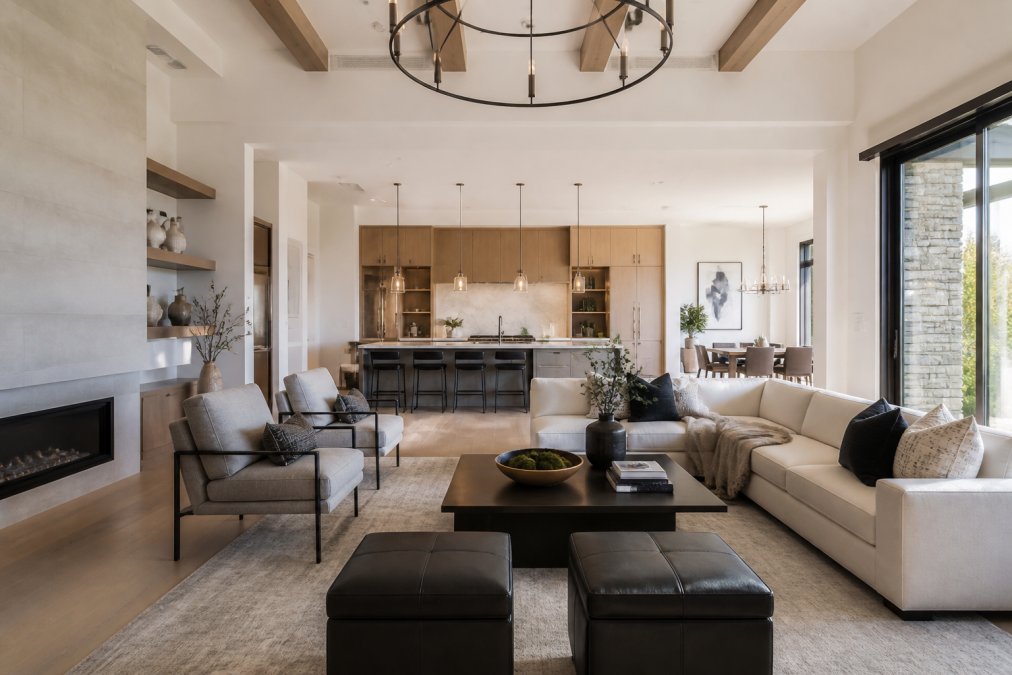
Effective staging is less about adding furniture and more about defining how each space should be used. A home office with built-in shelving should read as a productive sanctuary, while a resort-style outdoor area should evoke effortless entertaining. Focus on scale and flow so statement pieces complement rather than overwhelm architectural features.
Staging vs. Permanent Features: What to Highlight
A critical distinction separates what you stage from what you feature. Permanent features like floor-to-ceiling windows and custom closets are the home's bones and should be the heroes of your photos. Staging elements exist to support those bones, not distract from them.
Successful staging also means depersonalizing without sterilizing. Remove clutter and family photos, but leave a carefully placed throw blanket or sculptural decor to help buyers project their own life into the home.
How to Prepare Home for Real Estate Photography: The Pre-Shoot Checklist
Knowing how to prepare home for real estate photography is the difference between good images and great ones. Preparation begins days before the shoot; professional editing has limits when it comes to structural mess or poor lighting.
Work through this checklist before the photographer arrives:
- Declutter surfaces: Clear kitchen counters, bathroom vanities, and office desks. Remove small appliances and personal items to emphasize counter space.
- Maximize natural light: Clean all windows inside and out. Open all curtains and blinds fully; remove screens if possible to eliminate visual barriers.
- Check the details: Replace burnt-out bulbs to ensure consistent ambient lighting. Straighten rugs, fluff pillows, and make beds with crisp linens.
- Define the spaces: Remove furniture that crowds a room. If a room lacks purpose, stage it as a reading nook or meditation space rather than leaving it empty.
- Curb appeal matters: The front door sets the tone. Power wash walkways, trim landscaping, and place a simple, welcoming doormat.
Luxury Real Estate Photography Tips: Capture Scale, Light, and Detail
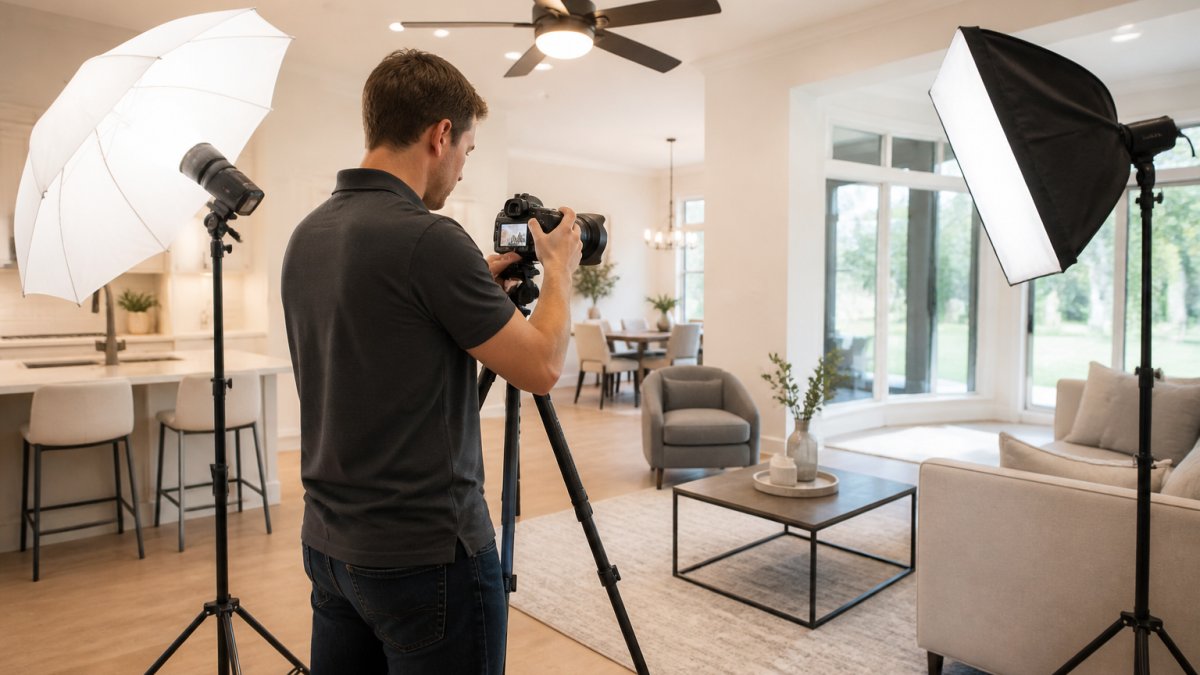
Luxury real estate photography tips often focus on gear, but the real skill lies in composition and timing. Use a tripod for sharp images at lower ISO settings, and consider HDR to balance bright window light with darker interior cabinetry.
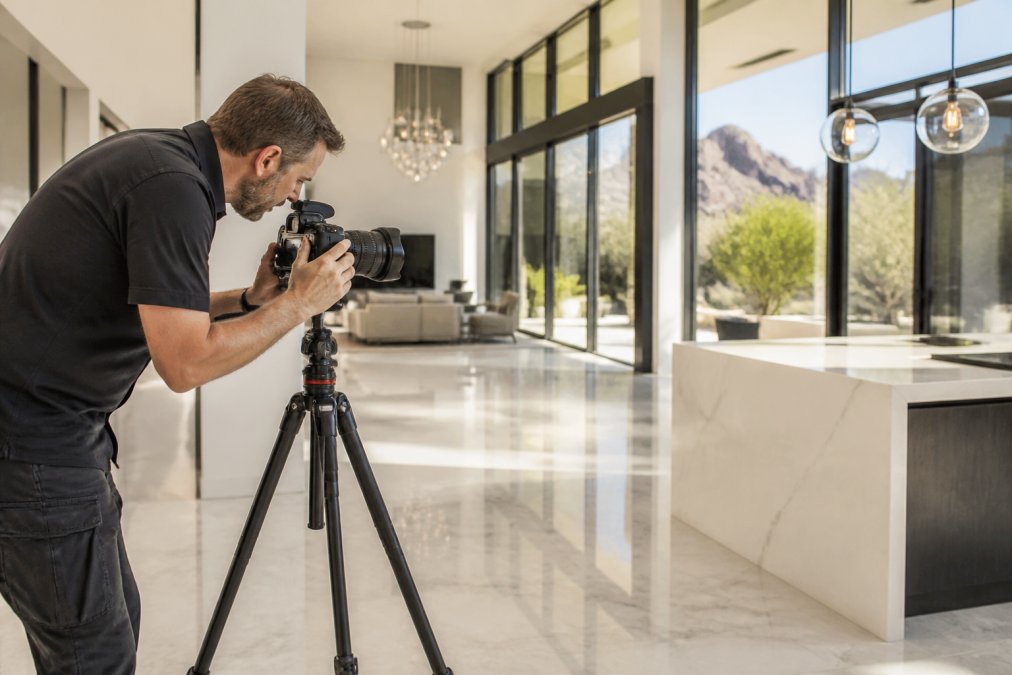
Mastering Natural Light and Interior Lighting
The best time to shoot interiors is during "blue hour" or just after sunrise (nppa.org). In the Valley, harsh midday sun creates high contrast, so turn on all interior lights to fill shadows and create a warm glow. This hand-blended approach separates professional work from amateur shots.
The Role of Drone Photography and Virtual Tours
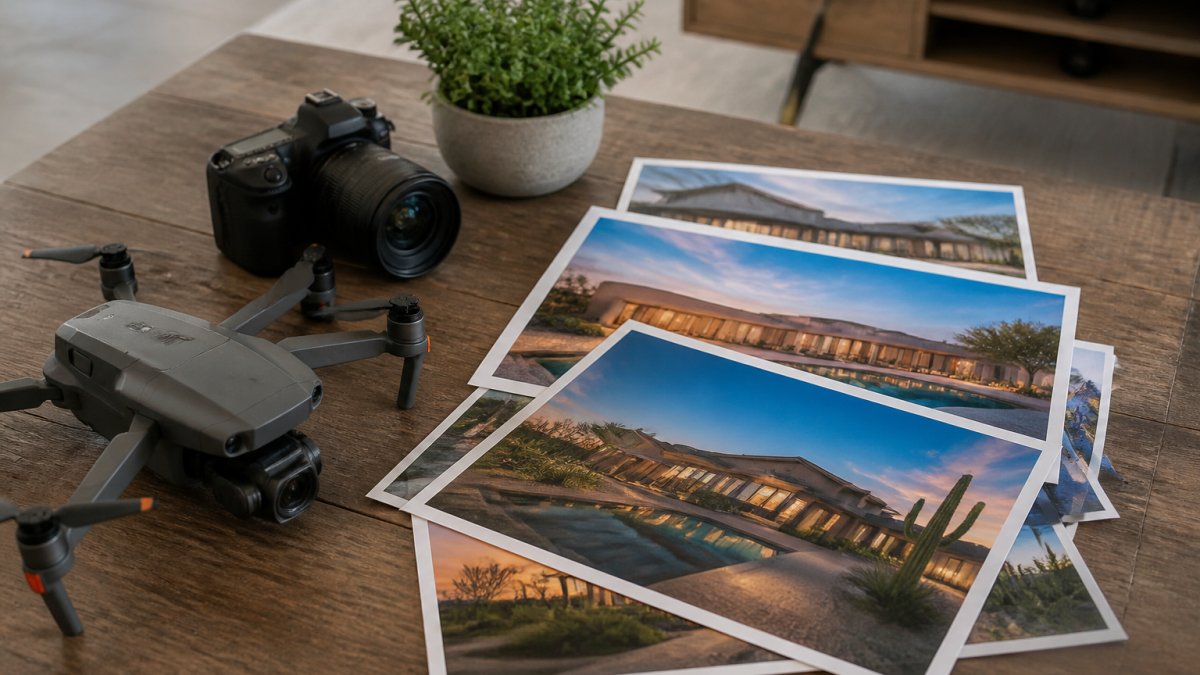
Aerial photography provides context that ground shots cannot, showing the relationship between the home, its landscaping, and the neighborhood. For homes with resort-style pools, an FAA-licensed drone operator can capture the full scale. Virtual tours then bridge the gap between browsing and visiting for remote buyers.
Sensory Marketing: Help Buyers Feel the Lifestyle
Visuals capture attention, but sensory cues close the deal. Buyers decide based on how a home makes them feel, and you can engineer that feeling. Here is how to execute a sensory strategy that makes your listing memorable.
Scent: The Invisible Stager
Scent is the strongest trigger for memory and emotion (peer-reviewed research). The goal is a clean, neutral canvas that signals freshness. Bake a subtle, natural scent like vanilla or cedar an hour before a showing, avoiding artificial plug-in air fresheners that signal you are hiding something.
For a controlled approach, use a high-quality essential oil diffuser with a single note like sandalwood in the entryway. The scent should be noticeable but not identifiable, creating a subconscious impression of cleanliness. Avoid heavy florals or spices that could trigger allergies.
Sound: Setting the Emotional Tempo
Sound shapes the perceived pace of a home. In a primary suite, silence might be best; in a grand living room, a subtle soundscape helps a buyer imagine a dinner party. For a modern home, use ambient electronic or soft jazz; for a traditional estate, classical or acoustic guitar works better.
The music should be a background texture just above the threshold of hearing. Use sound to highlight features: play a track demonstrating speaker clarity in a home with a high-end audio system, or ensure a backyard water feature is audible from the patio doors.
Touch: Curating Tactile Cues
Texture is the most underutilized sensory tool. In the primary bathroom, replace synthetic towels with thick cotton towels in a neutral tone. In the living room, drape a cashmere throw over a leather sofa. On the kitchen island, place a solid walnut cutting board or a bowl of polished river stones.
These elements invite interaction. When a buyer runs their hand over a cool marble countertop or a soft wool throw, they physically connect with the property, moving from passive observer to active participant in the lifestyle.
Taste: The Unexpected Finisher
Taste can be a powerful closer. At an open house, offer a single high-quality item that matches the home's vibe: a Napa Valley Cabernet for a wine cellar, or a bite from a local artisan bakery for a gourmet kitchen. A bowl of fresh, seasonal fruit also signals health and abundance.
By layering these cues, you are selling a feeling, differentiating your listing and creating an impression that lingers after the buyer leaves.
Digital Showcasing: From Listing Photos to Social Media
Your digital presentation is often the only impression you get. A luxury buyer will scroll through 20 listings before deciding which to visit (nar.realtor). Your media must control the narrative of the home's scale, light, and flow.
The 3D Virtual Tour: Guiding the Eye, Not Just Showing a Room
A standard 360-degree tour is passive; a high-end virtual tour is a guided experience. Ensure the provider uses HDR to capture detail in bright windows and dark cabinetry, and include a 'dollhouse' view so the buyer understands the relationship between rooms.
The tour must be edited for flow. Replace the default 'jump' between rooms with a smooth 'walk-through' mode that mimics the path from the front door to the primary suite, controlling the buyer's eye and separating a professional tour from a tech demo.
Video: The 60-Second Story
Short-form video is the most powerful tool for emotional engagement. The first 3 seconds must show the home's 'wow' factor. The video should follow a logical path, cutting on the beat of the music. For a luxury home, editing should be slow and deliberate, avoiding quick cuts that feel more appropriate for a starter condo.
Use the 'detail insert' technique: after a wide shot of the kitchen, cut to a close-up of the marble veining or soft-close drawer mechanism. These macro shots communicate craftsmanship a wide shot cannot.
Platform-Specific Strategy: Where to Post What
Different platforms serve different purposes in the luxury buyer's journey.
- MLS & Website: This is your source of truth. Use the highest resolution images possible, and ensure the virtual tour is embedded directly on the listing page. The goal is to provide complete information to qualify serious buyers.
- Instagram: This is your discovery engine. Use a mix of Reels for reach and carousel posts for depth. A carousel can tell a room-by-room story, while a Reel can capture the lifestyle. Use location tags and relevant hashtags like #luxuryrealestate and #dreamhome. Post at times when your target demographic is active, typically weekday evenings and weekend mornings.
- YouTube: This is for the long-form cinematic tour. A 2-3 minute film that feels like a mini-documentary is more shareable and builds a stronger brand impression than a simple walkthrough. Optimize the title and description with the property's key features and location.
- Pinterest: Often overlooked, but a powerful search engine for design inspiration. Create a pin for each major room, linking back to the main listing. Use high-quality, vertical images that show the full design aesthetic.
The 'Click-to-Feel' Principle
Every piece of digital media should make the buyer feel the texture and scale of the space. A slow dolly-in on a fireplace conveys warmth; a top-down shot of a bed with crisp linens conveys comfort. Ask yourself: 'If I were scrolling on my phone, would this stop me and make me feel something?'
Treating your digital content as a cinematic production creates a powerful pre-qualification tool, inviting the buyer to project themselves into a lifestyle before they schedule a showing.
Common Mistakes That Undermine Luxury Appeal
Several errors can diminish perceived value. Over-editing, such as HDR processing that makes colors look unnatural, signals a low-quality listing. The goal is to enhance reality, not replace it with a fantasy that leads to disappointment.
Another mistake is neglecting the "wow" moment. If a signature feature is not the first or second photo, you risk losing the buyer's attention. Finally, ensure all images have cohesive color temperature and exposure to maintain a professional feel.
Your Action Plan for Showcasing Luxury Features
Showcasing luxury home features is a systematic process. Begin with staging that defines each space and highlights permanent details, then follow the preparation checklist to ensure the property is camera-ready.
Then focus on capture with professional lighting and scale techniques, and consider aerial media for context. Remember the strategy extends to the senses and the screen; a subtle scent and a well-edited social feed are as important as the photos.
The execution of this plan requires skill, time, and the right equipment. Desert Home Photography specializes in high-end visual storytelling, combining hand-blended imaging, FAA-licensed drone operators, and immersive virtual tours to capture every unique feature with precision.
Ready to see your listing stand out? Call or text Desert Home Photography to schedule a shoot and show buyers the lifestyle your property offers.
Frequently Asked Questions
What luxury home features add the most value during a sale?
Gourmet kitchens with professional-grade appliances, spa-inspired primary bathrooms, and resort-style outdoor living spaces consistently offer the strongest return on investment. Smart home automation, custom walk-in closets, and dedicated wellness rooms also appeal to today's buyers. When showcasing luxury home features, prioritize the spaces that differentiate the property from standard listings. Highlighting architectural details like floor-to-ceiling windows or bespoke millwork helps buyers understand the quality of construction and justifies the asking price.
How do you photograph luxury home features for real estate listings?
Professional photography starts with thorough preparation: declutter each room, turn on all lamps, and open window coverings to maximize natural light. A wide-angle lens captures the scale of great rooms, while detail shots of custom cabinetry, statement light fixtures, and premium materials show craftsmanship. For the best results, consider hiring a photographer experienced in luxury real estate photography techniques like hand-blended imaging to balance interior lighting with exterior views. Drone photography can also capture the full property and its landscaping.
What staging techniques highlight luxury home amenities?
When staging luxury homes for sale, the goal is to help buyers envision the lifestyle. Arrange furniture to create conversational groupings that emphasize spaciousness and flow. Use neutral, high-quality textiles and curated decor to add warmth without clutter. In a gourmet kitchen, set the island with a bowl of fresh fruit or a coffee tray. For a spa-inspired bathroom, display rolled towels and a single orchid. These subtle touches make amenities feel inviting while keeping the focus on the home's permanent features.
How can I make my home look more luxurious for photos?
Focus on the details that read as high-end in photographs. Replace dated outlet covers and door hardware, ensure all light bulbs match in color temperature, and have windows professionally cleaned to let in maximum light. Edit out personal items like family photos and everyday clutter. Adding fresh, minimal floral arrangements or greenery can soften a space. Remember that showcasing luxury home features is about highlighting architectural integrity and high-end finishes, not decorating trends, so keep the styling simple and elegant.
This article was written using GrandRanker
Frequently Asked Questions
Q: What luxury home features add the most value during a sale?
A: Gourmet kitchens with professional-grade appliances, spa-inspired primary bathrooms, and resort-style outdoor living spaces consistently offer the strongest return on investment. Smart home automation, custom walk-in closets, and dedicated wellness rooms also appeal to today's buyers. When showcasing luxury home features, prioritize the spaces that differentiate the property from standard listings. Highlighting architectural details like floor-to-ceiling windows or bespoke millwork helps buyers understand the quality of construction and justifies the asking price.
Q: How do you photograph luxury home features for real estate listings?
A: Professional photography starts with thorough preparation: declutter each room, turn on all lamps, and open window coverings to maximize natural light. A wide-angle lens captures the scale of great rooms, while detail shots of custom cabinetry, statement light fixtures, and premium materials show craftsmanship. For the best results, consider hiring a photographer experienced in luxury real estate photography techniques like hand-blended imaging to balance interior lighting with exterior views. Drone photography can also capture the full property and its landscaping.
Q: What staging techniques highlight luxury home amenities?
A: When staging luxury homes for sale, the goal is to help buyers envision the lifestyle. Arrange furniture to create conversational groupings that emphasize spaciousness and flow. Use neutral, high-quality textiles and curated decor to add warmth without clutter. In a gourmet kitchen, set the island with a bowl of fresh fruit or a coffee tray. For a spa-inspired bathroom, display rolled towels and a single orchid. These subtle touches make amenities feel inviting while keeping the focus on the home's permanent features.
Q: How can I make my home look more luxurious for photos?
A: Focus on the details that read as high-end in photographs. Replace dated outlet covers and door hardware, ensure all light bulbs match in color temperature, and have windows professionally cleaned to let in maximum light. Edit out personal items like family photos and everyday clutter. Adding fresh, minimal floral arrangements or greenery can soften a space. Remember that showcasing luxury home features is about highlighting architectural integrity and high-end finishes, not decorating trends, so keep the styling simple and elegant.