 how-to
How High-Quality Photos Impact Home Sale Price
Table of Contents
- How High-Quality Photos Shape Buyer First Impressions
- Real Estate Listing Photos and Online Engagement
- The Connection Between Photo Quality and Perceived Value
- Home Staging for Photography: Preparation That Matters
- How Many Photos for a Real Estate Listing Should You Include
- Real Estate Photography Pricing and Return on Investment
- Measuring Your Listing's Photo Performance
- Conclusion
- Frequently Asked Questions
Last Updated: October 7, 2026
How High-Quality Photos Shape Buyer First Impressions
The first impression happens in seconds. A buyer scrolling listings on their phone either stops at your home or doesn't, and high quality photos home sale success depends on making that stop happen.
Buyers decide in split seconds whether to click, call, or move on. Clear images show the layout, condition, and character of the property; blurry or poorly lit photos make even great homes look questionable.
This is where high quality photos home sale potential begins. Desert Home Photography understands that the visual presentation of a property directly influences how buyers perceive value.
Buyers do most of their searching online, often viewing 20 or 30 listings before scheduling showings.
Real Estate Listing Photos and Online Engagement
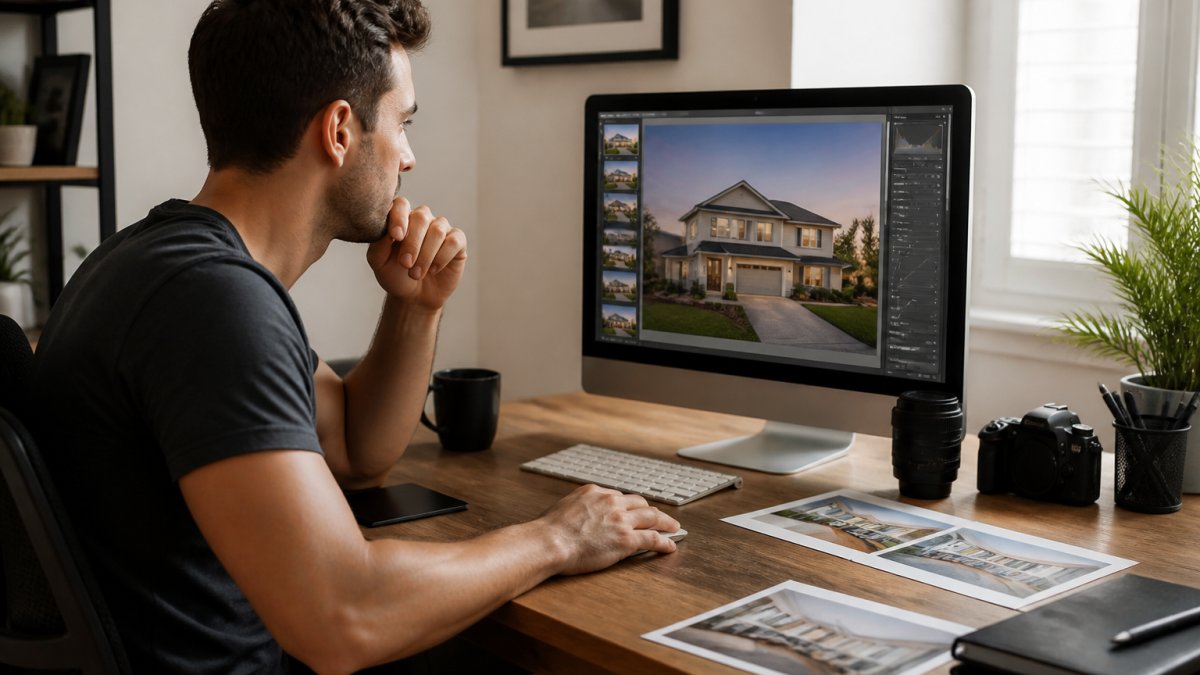
Your real estate listing photos determine how many people click into your full listing. Engagement starts with the thumbnail, usually one or two images in search results. If those opening shots don't grab attention, most buyers never see the rest.
Online platforms prioritize listings with strong visual content. Listings with professional real estate listing photos get more clicks, views, and inquiries, and buyers spend more time on clear, well-composed images, saving and sharing them.
Photo quality affects visibility too: platforms often rank listings higher when they include multiple high-quality images, and better ranking means more exposure to buyers searching your area.
Real estate photography pricing varies widely, but the return on investment shows up immediately in engagement metrics.
The Connection Between Photo Quality and Perceived Value
How a home looks in photos shapes what buyers think it's worth. Professional real estate photography doesn't misrepresent, it presents the property honestly but in its best possible form.
High-quality images make spaces look larger, brighter, and more inviting.
Buyers form expectations from photos and compare them to what they see in person. Accurate photos build trust; misleading ones create disappointment and kill deals.
Perceived value is heavily influenced by first visual impressions. Professionally photographed homes often receive higher offers because buyers feel more confident, they've already fallen for the visual story the photos tell.
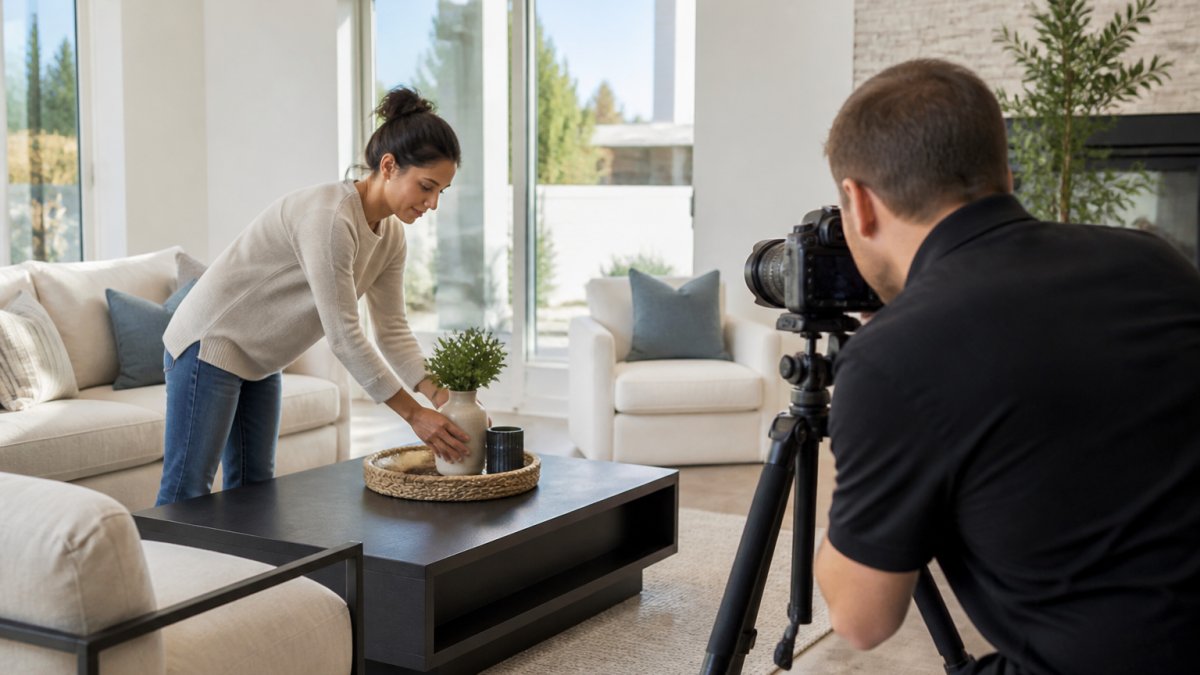
Staging for the camera matters too. Decluttered rooms, fresh flowers, and neutral colors create a sense of move-in readiness, and that emotional connection translates to willingness to pay.
Home Staging for Photography: Preparation That Matters
Before the photographer arrives, preparation determines what the camera captures.
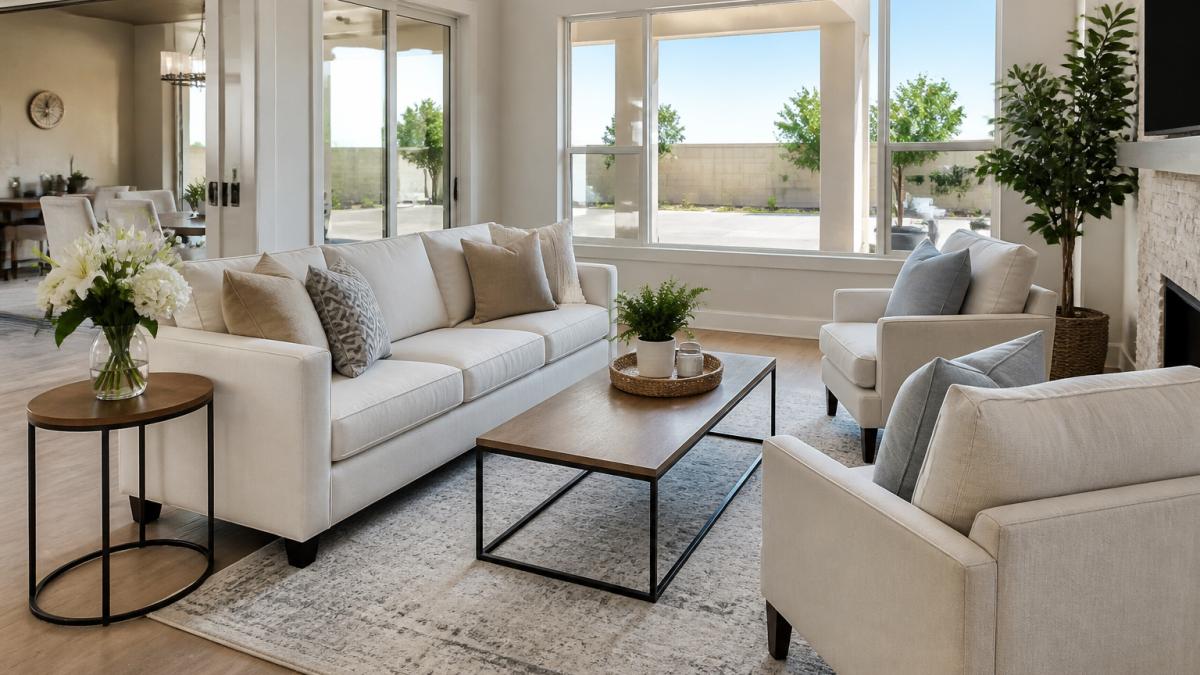
Start by decluttering every room. Remove personal items, extra furniture, and anything that distracts from the space itself.
Clean thoroughly before the shoot. Dust, smudges, and clutter show up clearly in professional photos. Windows should be spotless. Floors should shine.
Neutralize colors where possible. Bright accent walls may look great in person but overwhelm photos; neutral tones photograph better and appeal to more buyers.
Open all curtains and blinds to maximize natural light. A dark room photographs as uninviting, regardless of how nice it actually is.
Consider these staging priorities:
- Remove 30-50% of furniture to make rooms feel spacious
- Add fresh flowers or plants for color and life
- Make beds with quality linens and minimal pillows
- Clear kitchen counters except for a few decorative items
- Remove personal photos and family memorabilia
- Deep clean windows, mirrors, and glass surfaces
- Ensure all lights work and bulbs are bright white
Outdoor spaces matter too. Trim hedges, mow the lawn, and power wash driveways or patios. Curb appeal in photos drives the first click.
How Many Photos for a Real Estate Listing Should You Include
The right number of photos isn't a fixed target, it depends on the property, price band, and how buyers in that segment shop. Here's a useful framework.
Start with the platform, not the property
Major listing sites and MLSs display a limited number of images before a buyer clicks through. The first one to three images earn the click, so order matters as much as count, lead with the strongest exterior or most compelling interior shot, not necessarily the front of the house.
Many MLSs and portals cap how many photos a listing can display. Check your local rules before planning a shoot, there's no point paying for 50 images if only 25 will publish.
A practical count by property type
These are working ranges, not rules. Adjust for how unusual the property is:
- Condos and small homes (1-2 bed): roughly 15-20 images. Focus on the kitchen, living area, primary bedroom, bathroom, and any view or amenity.
- Mid-size homes (3-4 bed): roughly 20-30 images. Cover every bedroom, all bathrooms, both living spaces if applicable, and the exterior from multiple angles.
- Large homes (5+ bed): roughly 30-40 images. Include secondary spaces (office, bonus room, basement) that buyers in this price band expect to see.
- Luxury and unique properties: 40+ images plus a virtual tour and drone coverage. Buyers at this level often screen heavily online before ever scheduling a showing.
What to include beyond the count
A high photo count with weak coverage is worse than a lower count with strong coverage. Prioritize:
- Every room a buyer will ask about, if it exists, show it. Missing a bathroom or bedroom raises suspicion.
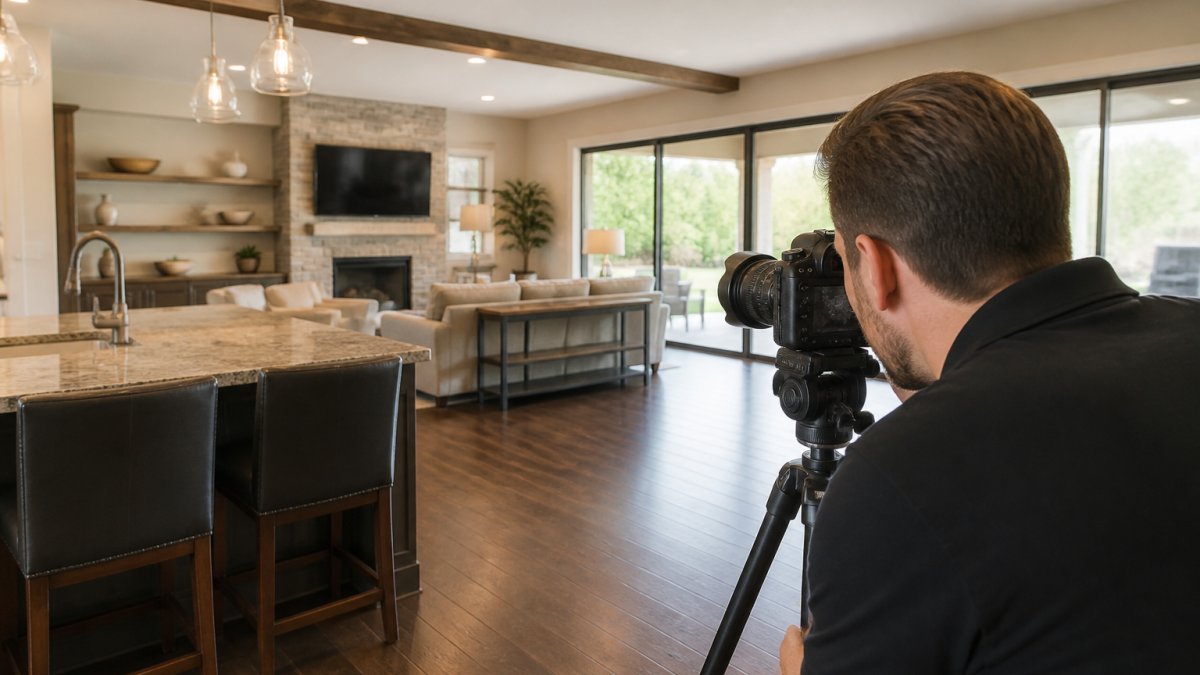
- Multiple angles of key spaces, a living room from one corner can look completely different from another.
- Detail shots, finishes, fixtures, and features that justify the price.
- Exterior and context, front, back, yard, and any view. Drone shots help when the lot, pool, or surroundings are a selling point.
- Virtual tour, increasingly expected in mid-to-upper price bands; it answers layout questions photos cannot.
How property type and price band change the calculus
A starter condo in a dense urban market competes against dozens of near-identical units, so photo quality and ordering matter enormously. A rural property on acreage competes against few listings, so drone coverage and land context matter more than room-by-room detail. A luxury listing competes on lifestyle and finish quality, requiring more images, better styling, and a tour.
The common thread: match the photo package to how buyers in that segment shop. Buyers comparing 20 similar condos need sharp differentiation; buyers considering a one-of-a-kind property need comprehensive coverage.
Real Estate Photography Pricing and Return on Investment
Most articles on this topic wave at ROI without showing the math. Here's what drives the price up or down, and how to reason about the return without pretending the effect is guaranteed.
What professional real estate photography typically costs
Pricing is set locally, so treat any figure as a range rather than a rule. Larger homes, luxury properties, and rural listings with long drive times push the price higher. Add-ons are usually priced separately:
- Drone / aerial photography, often a meaningful upcharge; the operator must hold a current FAA Part 107 remote pilot certificate, which is a real cost driver.
- Virtual tours / 3D walkthroughs, priced per square foot or per scan, and can rival or exceed the base shoot cost on larger homes.
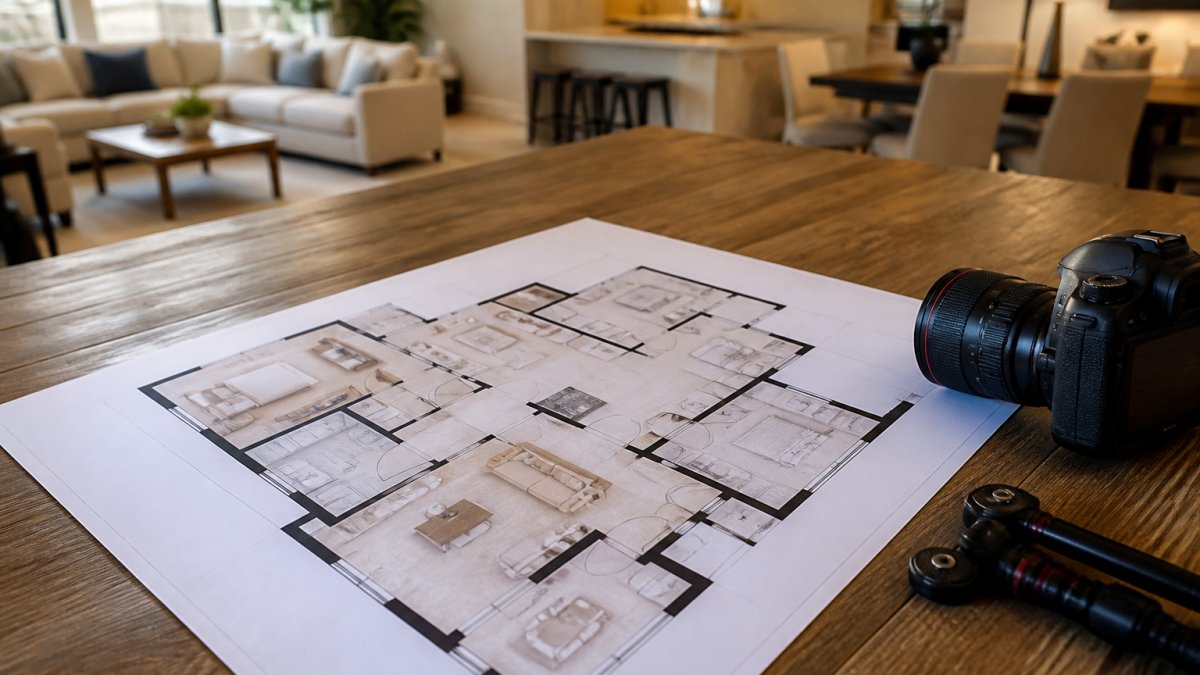
- Floor plans, usually a modest add-on, and often bundled with a tour package.
- Twilight or golden-hour shoots, frequently a premium because of scheduling constraints.
- Same-day or rush delivery, typically a percentage surcharge on the base package.
DIY vs. professional: the real trade-off
A smartphone shoot costs nothing but your time, and for a lower-priced listing in a slow market it can be adequate. The trade-off isn't "free vs. expensive", it's time, skill, and equipment versus a fixed fee. Phone cameras struggle with wide dynamic range, lens distortion, and consistent color; a professional brings lighting, lenses, editing, and a repeatable process.
A useful way to frame the decision: estimate your carrying costs (mortgage, taxes, insurance, utilities) per month. If professional photos plausibly shorten your time on market by even a couple of weeks, the savings can offset the photography fee. That is a hypothesis to test with your own listing data, not a promise.
What actually drives the return
The return on photography is not a fixed multiplier. It shows up through several channels, and each is measurable:
- More clicks from search results, better thumbnail images tend to earn higher click-through rates, which feeds more buyers into your funnel.
- Longer time-on-listing, buyers who linger are more likely to save, share, and inquire.
- More showings, inquiries convert to appointments, and appointments convert to offers.
- Faster sale, shorter days on market reduces carrying costs and, in competitive markets, can reduce the risk of price cuts.
- Stronger offers, buyers who arrive already emotionally invested tend to negotiate differently than buyers who feel misled.
Where the ROI claim breaks down
Be skeptical of any article that promises a specific percentage price lift from photos alone. Photography is one variable among many: location, condition, price, season, inventory, and interest rates often matter more. In a strong seller's market with low inventory, even mediocre photos may sell quickly; in a buyer's market with high inventory, excellent photos may still not overcome an overpriced listing.
The honest framing: professional photography is a low-cost, high-leverage input that improves your odds, not a guarantee. The sellers who benefit most are usually those in competitive price bands where buyers are comparing many similar homes side by side.
Measuring Your Listing's Photo Performance
Track how your photos perform to understand what's working. Monitor views, time spent on the listing, and inquiries received.
Compare your listing's performance to similar properties in your area. If homes with professional photos get more views and inquiries, that's your baseline.
Pay attention to buyer feedback. When buyers schedule showings or make offers, ask what drew them in, often they'll mention the photos.
Track days on market.
Use platform analytics. Most listing sites show how many people viewed each photo; if some get skipped while others are lingered on, that tells you what buyers care about most.
Measure success through results: offer quality, offer price, and time to sale. Professional photography should improve all three.
Conclusion
High-quality photos home sale success starts with what buyers see first: your images. Professional real estate photography isn't a luxury but a necessity, buyers form opinions in seconds, and your photos determine whether they move forward or scroll past.
The connection between photo quality and sale price is real: professionally photographed homes receive more inquiries, attract higher offers, and sell faster than homes with amateur photos.
At Desert Home Photography, we've spent years perfecting the art of capturing homes in their best light.
Ready to see what professional real estate photography can do for your listing? Contact Desert Home Photography today to discuss your property's unique needs and get a quote for professional photography services.
Frequently Asked Questions
Do professional real estate photos help a home sell for more?
Professional high-quality photos increase buyer interest and online engagement, which typically leads to more viewings and competitive offers. While photos alone don't guarantee a higher sale price, they significantly influence perceived value and buyer perception of the property's condition and layout. Homes with professional photography tend to attract more qualified buyers and may sell faster, which can indirectly support stronger pricing.
How many photos should a real estate listing have?
Most effective listings include 15-25 high-quality photos covering all key areas: exterior shots, main living spaces, bedrooms, bathrooms, kitchen, and unique features. The exact number depends on property size and complexity. More photos increase online engagement and help buyers understand the home's layout before scheduling viewings, reducing tire-kickers and attracting genuinely interested buyers.
What makes a real estate listing photo high quality?
High-quality listing photos feature proper lighting that shows the room's true condition, accurate color representation, sharp focus, professional composition, and proper staging. Hand-blended editing techniques that enhance without distorting the property's appearance are critical. Professional photos also capture property strengths, natural light, layout flow, and unique features, in ways that match buyer expectations and build trust through accurate representation.
How should I prepare my home for listing photos?
Declutter all rooms, remove personal items and family photos, deep clean surfaces and windows, stage furniture to show room scale, and ensure lighting is optimal. Fix obvious issues like burned-out bulbs or visible damage. Open curtains to maximize natural light, and coordinate with your photographer about timing to capture the best lighting conditions. Proper preparation directly impacts how your home's features and condition are perceived by buyers viewing the listing.