 how-to
How Twilight Photography Helps Sell Luxury Homes in Phoenix
Table of Contents
- Why Twilight Photography Makes Luxury Listings Stand Out
- The Benefits of Twilight Real Estate Photos for Buyer Engagement
- What the Best Time for Twilight Photography Looks Like in Phoenix
- How Twilight Images Highlight Architecture, Pools, and Desert Landscaping
- Real Estate Photography Pricing: What Twilight Shoots Deliver for the Cost
- A Practical Shoot-Day Checklist for Sellers and Agents
- Authentic Twilight Images vs. Heavy Editing: Getting the Balance Right
- Conclusion
- Frequently Asked Questions
Last Updated: October 20, 2026
Why Twilight Photography Makes Luxury Listings Stand Out
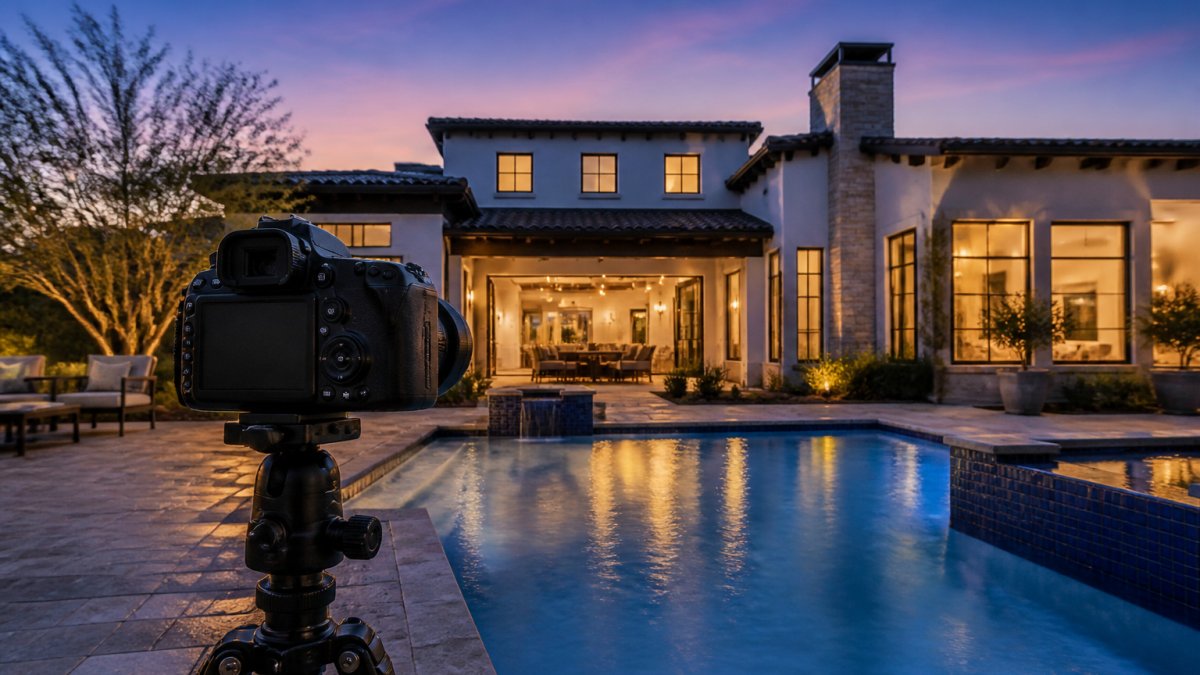
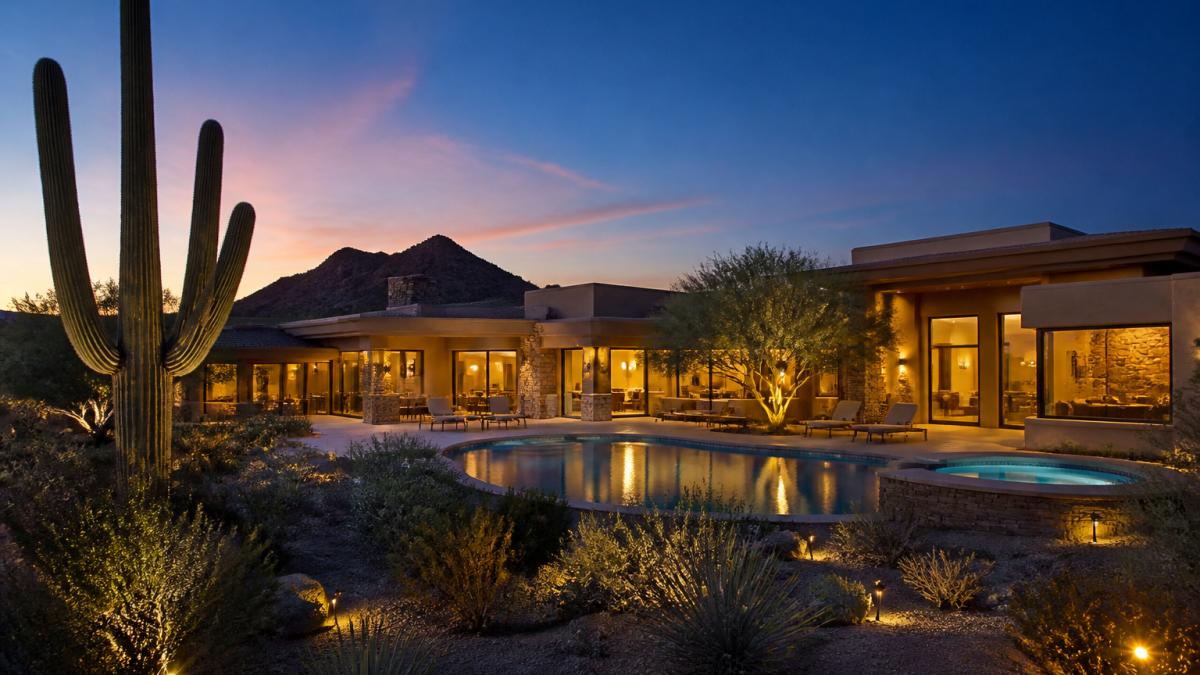
Twilight photography is the practice of shooting a property in the narrow window after the sun drops below the horizon, when the sky still holds color and interior lights glow against it. For luxury homes in the Phoenix Valley, that combination does something midday sun cannot: it makes a house look warm, expensive, and worth clicking.
At Desert Home Photography, we shoot these sessions, and the pattern holds listing after listing. The sky turns deep blue. The windows turn gold. The pool goes still and mirrors both.
Buyers scroll fast. A twilight exterior stops the thumb because it looks like a place someone already loves living in.
The Benefits of Twilight Real Estate Photos for Buyer Engagement
The benefits of twilight real estate photos come down to one thing: contrast. A bright sky against glowing windows pulls the eye in a way a flat daytime shot never will.
Here's what that does for a listing:
- More clicks in search results. A scroll-stopping hero image earns the click.
- Stronger emotional connection. Warm light reads as "home," not "house."
- A premium feel. The same property looks more expensive at dusk.
- Better engagement on social. Twilight shots get shared more than noon shots.
The result is more listing views, more saves, and more showings booked. That's the whole game.
What the Best Time for Twilight Photography Looks Like in Phoenix
The best time for twilight photography in Phoenix is roughly 20 to 40 minutes after sunset, often called the blue hour. The sky holds rich color, the interior lights read warm, and the desert cools off enough to shoot comfortably. But the exact call time is not a fixed number, it moves with the calendar, the weather, and the property, and getting it right is where most out-of-town photographers miss.
Sunset shifts hard by season. In June, sunset in the Valley lands near 8 p.m., so the usable twilight window can run past 8:30. In December, sunset comes closer to 5:20 p.m., which pushes call times into late afternoon and shortens the buffer before full dark. A photographer who shoots Phoenix the same way year-round will either arrive too early (flat sky) or too late (black sky). Build the call time from the actual sunset for that date, not from habit.
Heat changes the prep, not just the comfort. Exterior surfaces, pool decks, pavers, stucco, hold heat well into the evening in summer. That matters for two reasons: bare feet and pets on the deck, and the fact that some finishes photograph hotter and more washed out when the surface is still radiating. Most practitioners schedule summer twilight shoots as late as the light allows.
Monsoon season is the wild card. From roughly late June through September, afternoon storms can build fast and scrub a shoot with cloud cover, dust, or rain. A common pattern is to book a primary twilight date and hold a backup morning or next-evening slot during monsoon months. If the sky goes flat gray, you have lost the color that makes twilight worth the premium, and you cannot fake it back honestly.
Winter has its own trade-off. Skies are often clearer, but the window arrives earlier and the light fades faster. Winter twilight shoots can be tighter and less forgiving, so prep needs to be finished before call time, not during it.
A common mistake is arriving at sunset and shooting immediately. Wait. The good light comes after, and in Phoenix, the right "after" depends on the month, the cloud forecast, and how quickly the desert sky drains of color.
How Twilight Images Highlight Architecture, Pools, and Desert Landscaping
Twilight images highlight the features that make a luxury property worth its price. That's the practical reason to book them.
Exterior architecture gains depth. Rooflines, stone, and glass catch the last ambient light. Illuminated windows show the home is alive inside. Pools turn into mirrors that double the sky. Patios and outdoor living areas glow under string lights. Desert landscaping, saguaros, and rock work read as silhouettes against the color.
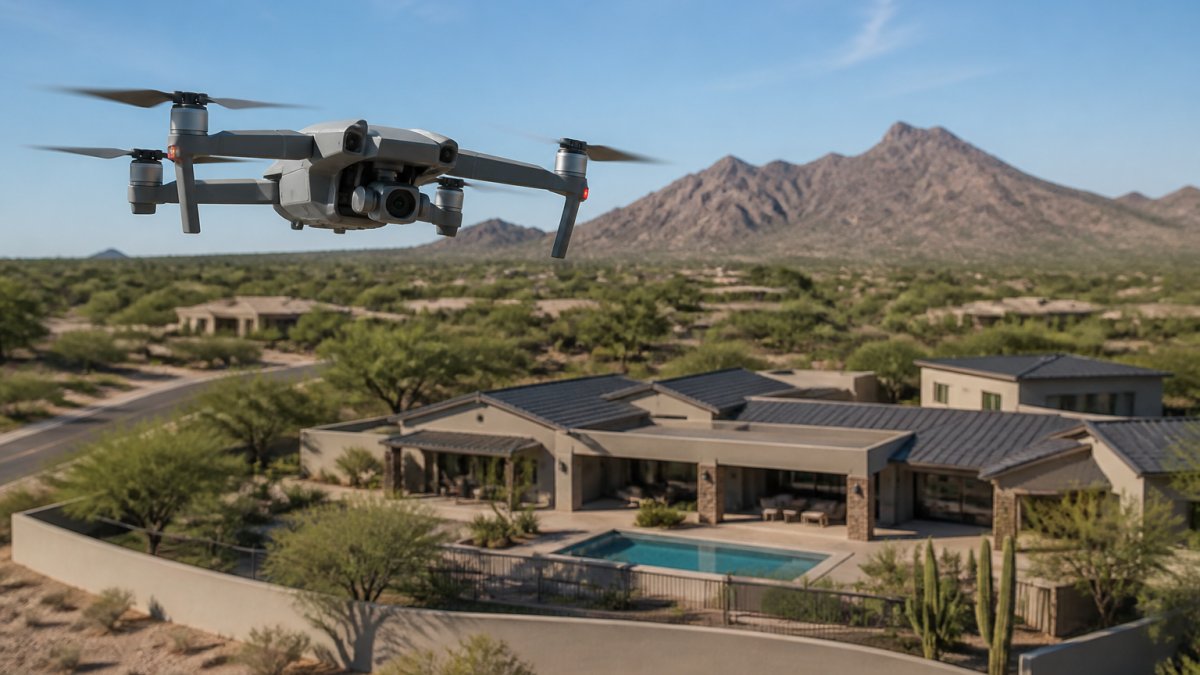
This is where FAA-licensed drone work earns its keep. An aerial twilight frame shows the whole lot, the pool, and the mountain backdrop in one shot.
Real Estate Photography Pricing: What Twilight Shoots Deliver for the Cost
Real estate photography pricing depends on the property, the media package, and delivery speed. Twilight sessions take more planning and tighter scheduling than daytime shoots, so they're usually quoted as part of a full package rather than a standalone add-on. That said, a useful quote should be built from visible factors, not a mystery number.
What drives the price up or down:
- Square footage and room count. More interiors mean more frames and more editing time.
- Property type. A single-family luxury home with a pool, casita, and guest house takes longer than a condo.
- Add-ons. Drone coverage, virtual walk-through tours, floor plans, and video each add scope.
- Turnaround. Standard delivery and rush delivery are priced differently because rush work compresses the editing calendar.
- Travel and access. Gated communities, long driveways, and remote lots add setup time.
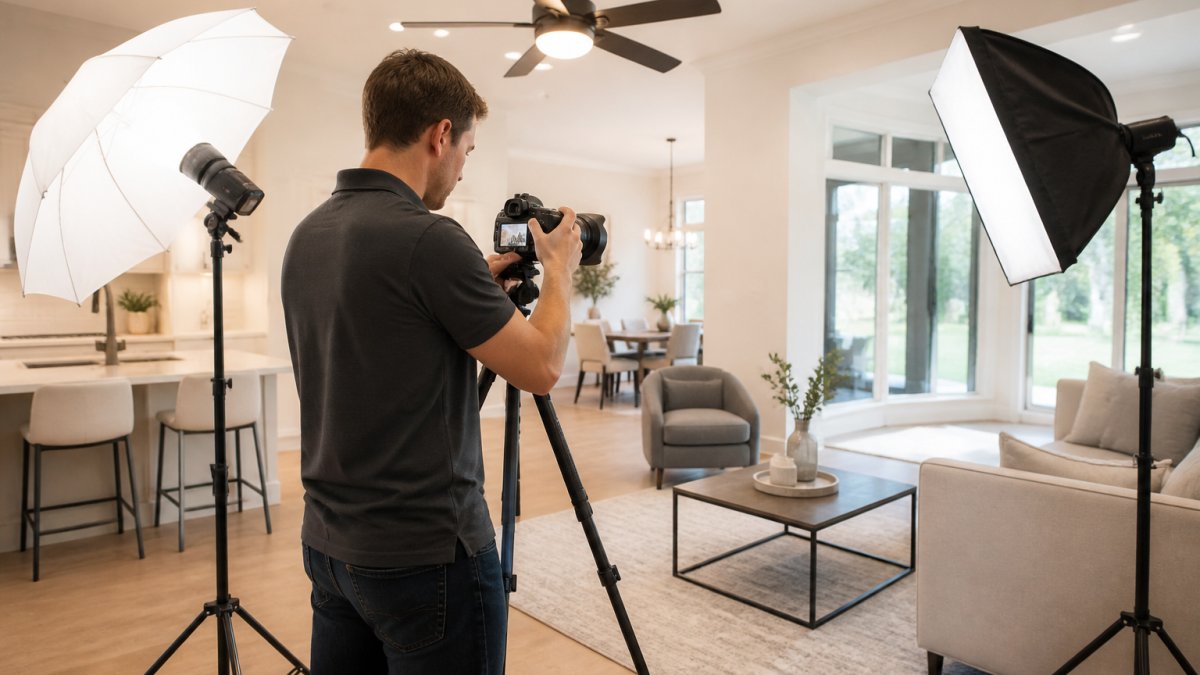
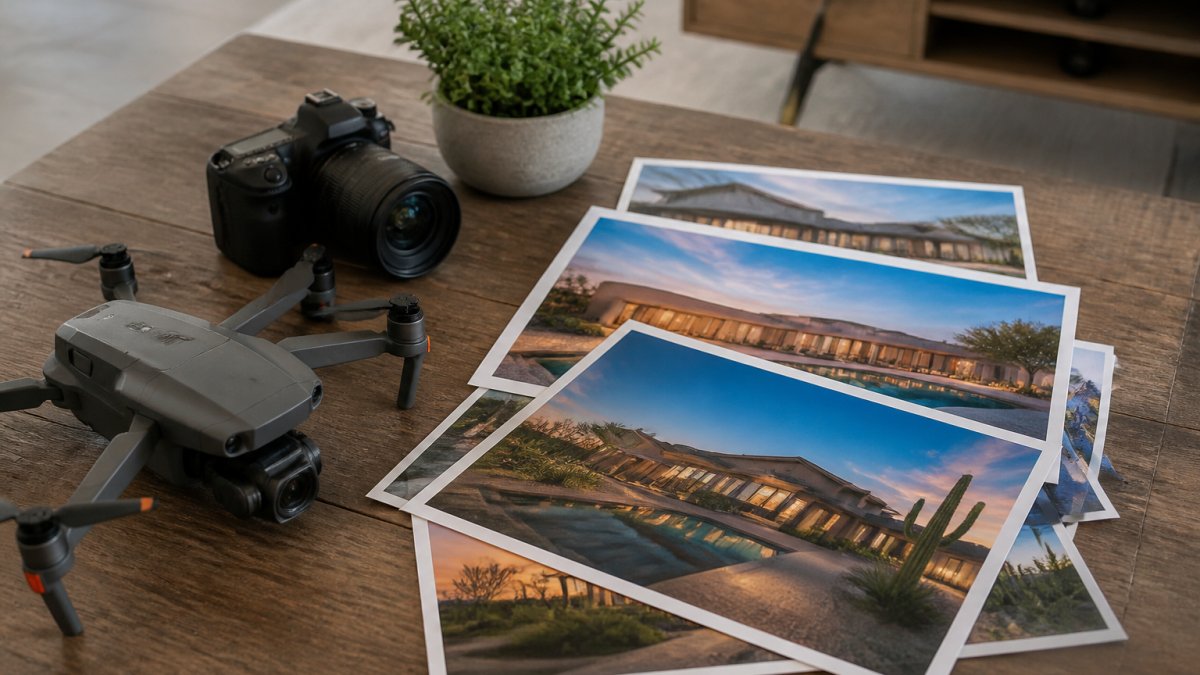
What a twilight package should include. At minimum, expect a set of hand-blended exterior twilight frames, a matching set of interior shots captured in the same session, and editing that balances sky and interior light without faking a sunset. Drone coverage is worth confirming separately, it is not always bundled, and it changes the deliverable count.
Turnaround. Most practitioners deliver standard real estate sets within a few business days. Confirm the delivery date in writing before the shoot, because a beautiful set that arrives after the listing goes live does less work.
When the added shoot is worth it. Twilight pays for itself when the exterior is the selling point, a resort-style pool, a mountain view, a strong architectural facade, or a lot that reads better at dusk than at noon. For a luxury listing where the hero image drives clicks in the feed, the marginal cost of a twilight session is usually small relative to the listing price and the attention it earns.
How to think about return. Rather than promising a specific lift, track it. Compare impressions, click-through rate, saves, and inquiry volume on listings with twilight hero images against comparable listings without them. Days on market is the slowest but most honest signal. If twilight listings consistently draw more saves and inquiries, the shoot is earning its cost.
We don't publish flat rates because every listing is different. Call or text Desert Home Photography for a quote on your property, and we'll tell you exactly what your package includes, what it costs, and when it will be delivered.
A Practical Shoot-Day Checklist for Sellers and Agents
A clean shoot-day checklist protects the window you only get once. Use this one:
- Confirm the exact call time the day before
- Turn on every interior and exterior light
- Replace any dead bulbs
- Close blinds on rooms you don't want lit
- Clear the driveway and street of cars
- Tidy the pool deck and patio furniture
- Hide trash cans, hoses, and garden tools
- Warm up the pool if it's heated
- Have the agent on site or reachable by phone
- Leave gate codes and lockbox info with the photographer
Small prep, big difference. A cluttered patio ruins a great sky.
Authentic Twilight Images vs. Heavy Editing: Getting the Balance Right
Authentic twilight images should look like the property actually looks at dusk, just captured well. Heavy editing pushes past that line.
There's a real tension here. Sky replacement and aggressive blending can make a listing pop, but they can also misrepresent a home. Buyers notice. Agents get asked hard questions at showings.
Our approach is hand-blended imaging: we balance the sky and interior light so the shot reads true. We don't fake a sunset that wasn't there. The goal is a beautiful, honest frame, not a fantasy.
That balance matters for trust. A buyer who arrives to find the home matches the photos is a buyer who keeps moving toward closing.
Conclusion
Selling a luxury home in the Valley means winning attention in a crowded feed, and twilight photography does that better than almost any other listing asset. The catch is timing: you get one narrow window, and missing it means waiting for another day.
Desert Home Photography plans every twilight shoot around that window. We bring hand-blended imaging, FAA-licensed drone coverage, and immersive virtual walk-through tours so your listing looks its best from every angle. Call or text us to book your next luxury listing and give buyers a reason to stop scrolling.
Frequently Asked Questions
Why is twilight photography considered essential for luxury real estate?
Twilight photography captures a narrow window when the sky still holds color and interior lights glow through the windows. That contrast gives luxury homes a warm, premium feel that daytime photos rarely match. For high-end listings, it shows off architectural features, exterior lighting, and pool areas in a way that flat midday light cannot. The result is a scroll-stopping image that draws buyer attention in crowded listing feeds and helps a property stand out before a buyer ever reads the description.
What time of day is best for twilight real estate photography?
The best time for twilight photography is the 20 to 30 minutes just after sunset, often called blue hour, when the sky turns deep blue and interior lights read clearly. In Phoenix, that window shifts through the year, so a professional photographer plans the shoot around the actual sunset time for the date. Arriving early to set up exterior and interior lighting matters, because the usable window is short and missing it means rescheduling the entire shoot.
How much do photographers charge for real estate photography?
Real estate photography pricing depends on the size of the property, the number of images, drone coverage, and delivery speed, so there is no single rate. Twilight shoots take more planning and a tighter schedule than daytime sessions, which can affect cost. Ask for a quote based on your specific listing and volume.
Do twilight photos increase click-through rates on listing sites?
Twilight images tend to earn more clicks because they look different from the bright, flat daytime photos that fill most search results. A glowing home against a deep blue sky creates contrast that stops scrolling buyers. While exact click-through gains vary by market and listing, the practical effect is stronger first impressions and more listing views. Pairing a twilight hero shot with well-lit interior photos gives buyers a complete, compelling picture of the property.